
Reading and StudyA useful reading space does not need to be large or permanent. Learn how to choose a spot, position your light, keep materials within reach, and adjust the setup to suit the way you read.
Read article · 3 min↗
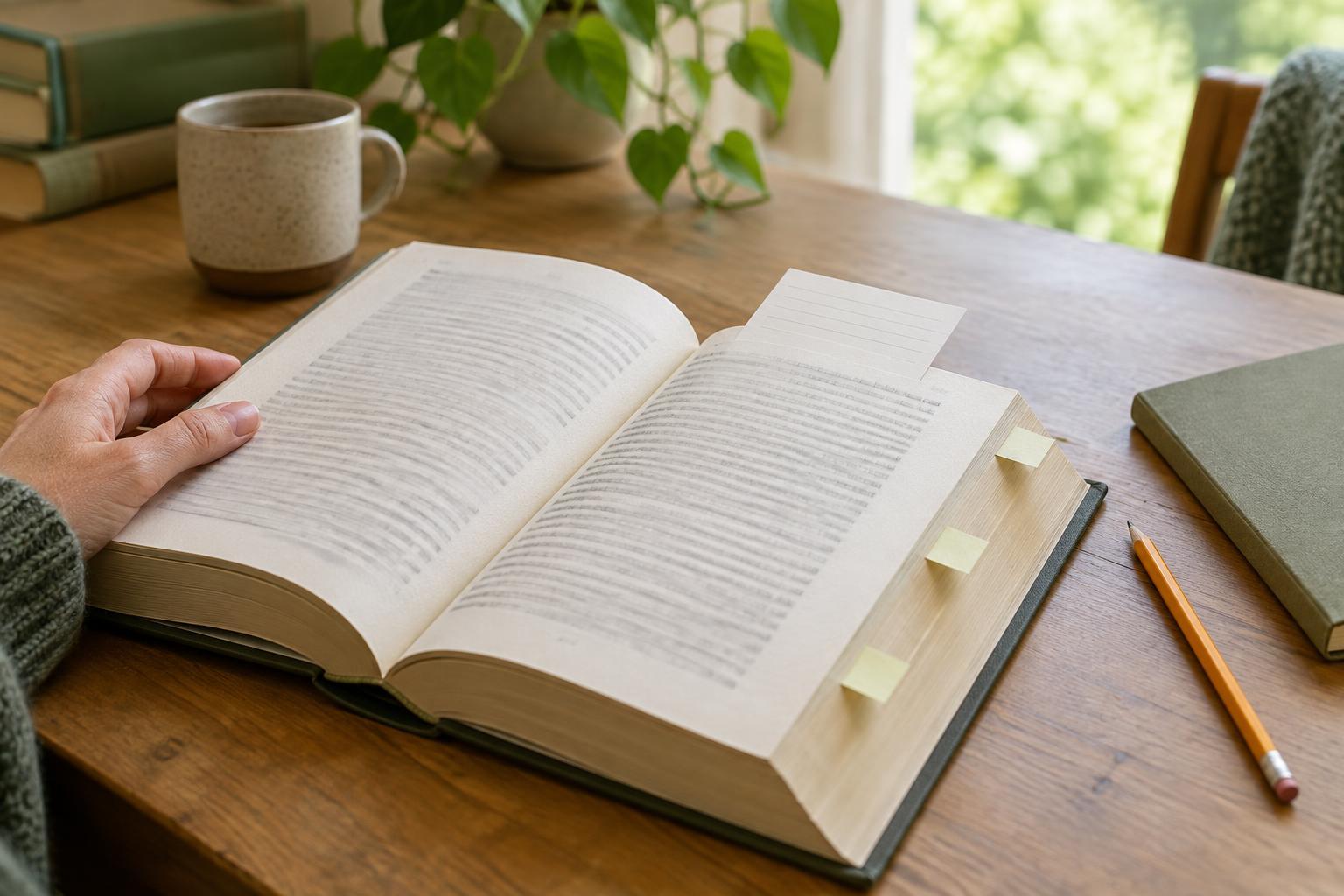
Reading and StudyLong gaps between reading sessions can make a nonfiction book feel unfamiliar each time you return. A simple continuity note, brief stopping routine, and occasional review can help you follow the book’s developing ideas without starting over.
Read article · 4 min↗
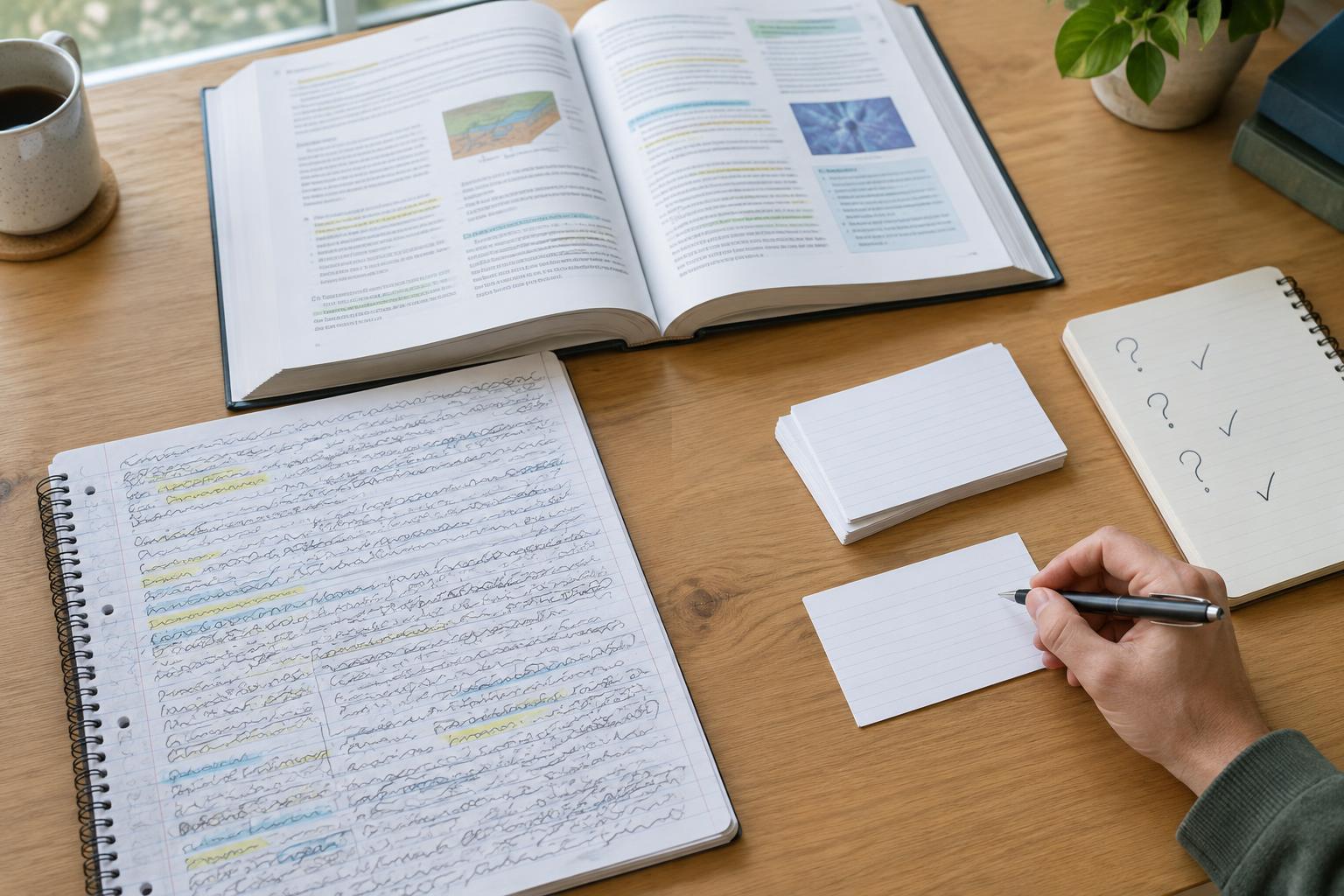
Reading and StudyRereading a chapter and copying its sentences can feel productive without showing what you actually understand. Learn how to turn textbook time into active study with questions, brief explanations, selective notes, and simple self-checks.
Read article · 4 min↗

Reading and StudyReaching the bottom of a page without knowing what it said is a normal part of reading. Instead of starting over automatically, use a short sequence of checks to find where meaning broke down and choose a better way forward.
Read article · 4 min↗

Reading and StudyA focused study session starts before you open a book or browser tab. Learn how to choose a manageable goal, prepare your space, handle interruptions, work actively and finish with a useful next step.
Read article · 4 min↗
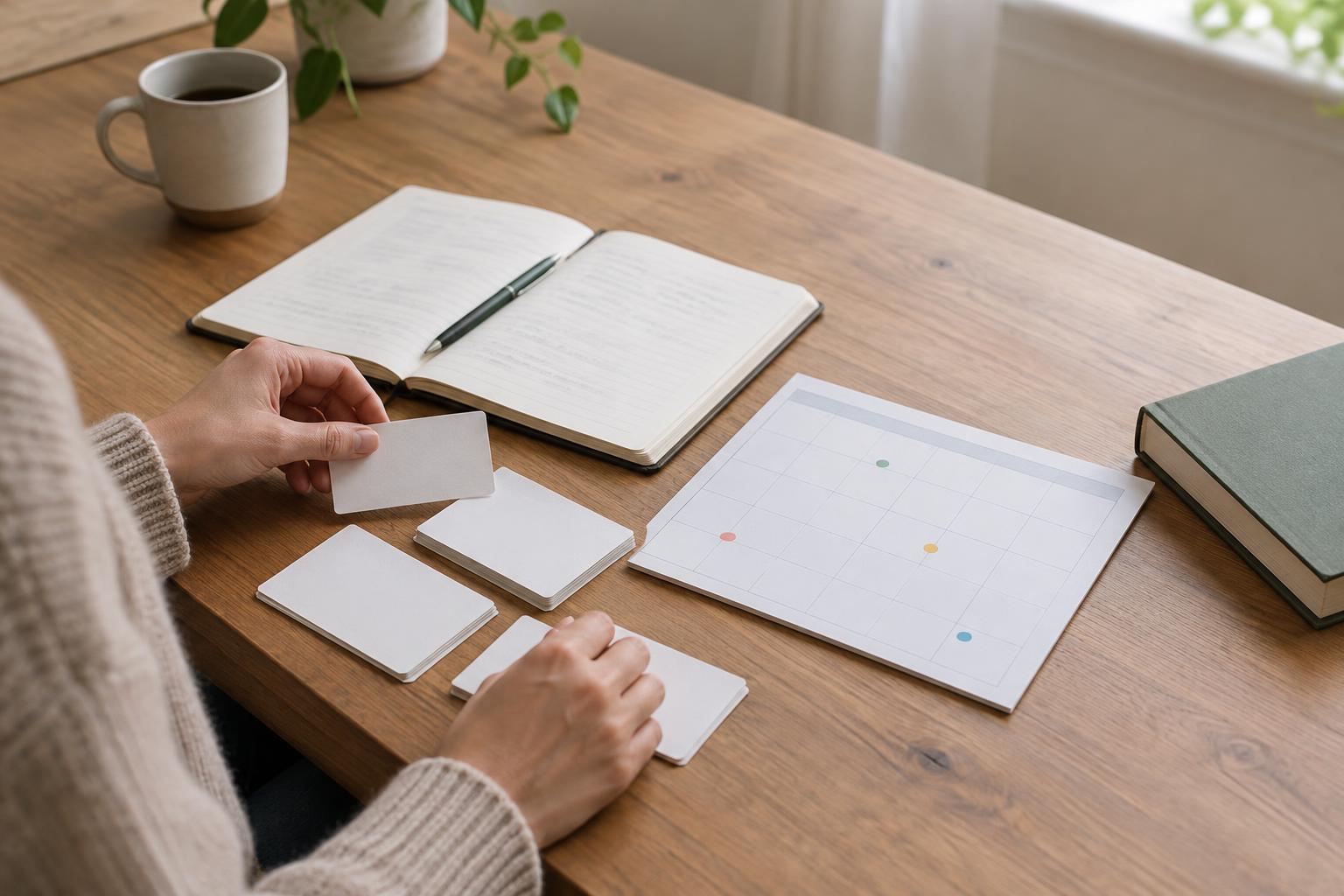
Reading and StudyA useful review plan does more than set aside time to reread. Learn how to choose what to revisit, test your recall, space sessions across your calendar, and adjust the plan when life gets busy.
Read article · 4 min↗
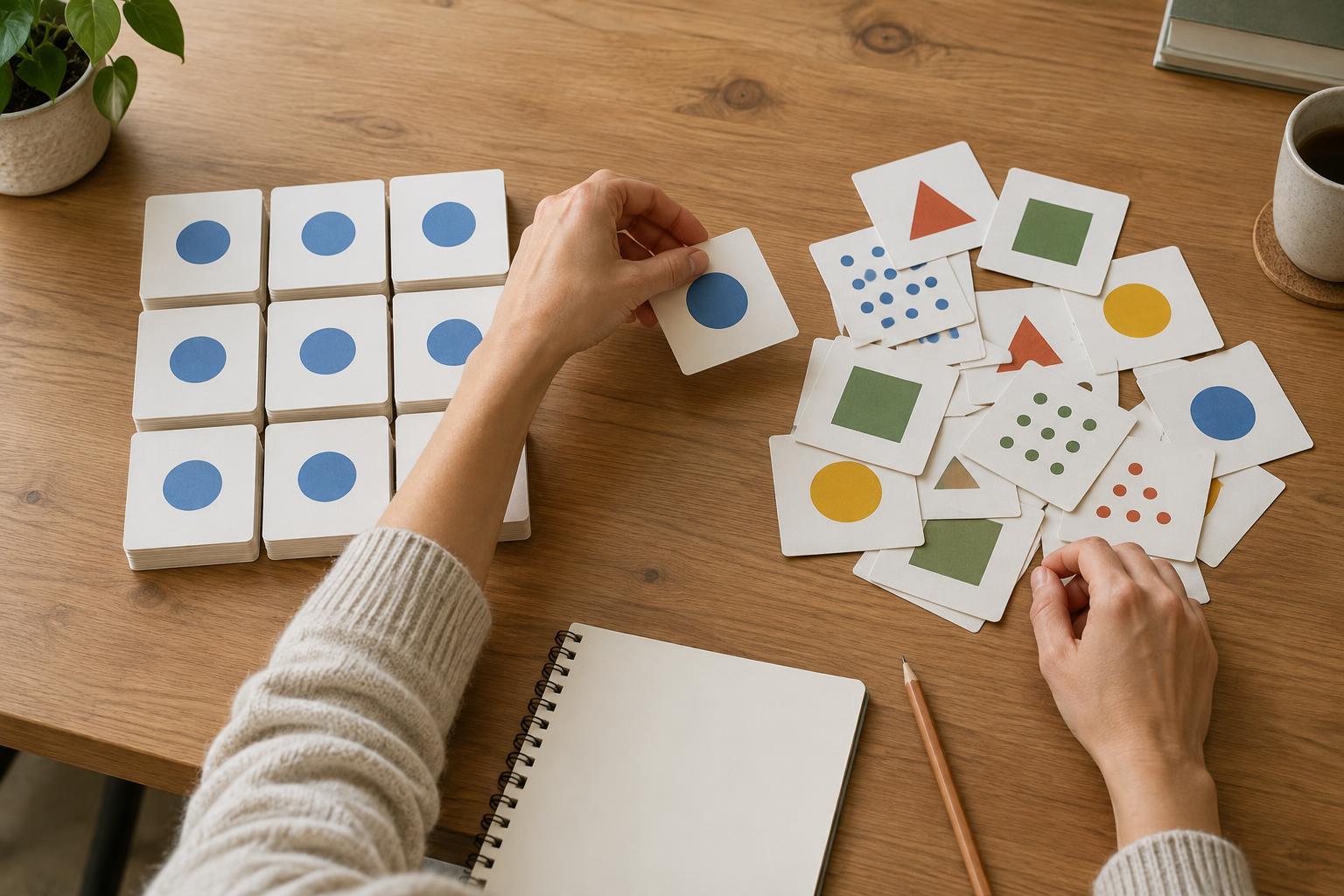
Reading and StudyRepeating one type of problem can help you learn a new method, while mixing problem types can help you decide which method to use. Learn when each approach is useful and how to build a study session that uses both.
Read article · 4 min↗
Reading and StudyA worked example can show you how to solve a problem, but following its steps is not the same as understanding them. Learn how to pause, explain each choice in your own words, and gradually move from guided practice to independent work.
Read article · 4 min↗
Reading and StudyA chapter can feel familiar without being easy to explain from memory. Learn a simple way to turn headings, examples, and key ideas into useful self-test questions, then use your answers to guide the next study session.
Read article · 4 min↗
Reading and StudyA good summary helps you remember what a text says without copying it or shrinking every paragraph into a sentence. Learn a practical process for finding the main idea, choosing essential details, drafting from memory, and checking your work against the original.
Read article · 4 min↗
Reading and StudyComparing readings is more useful than listing what each one says. Learn a practical method for identifying shared questions, meaningful differences, and connections you can explain in your own words.
Read article · 3 min↗
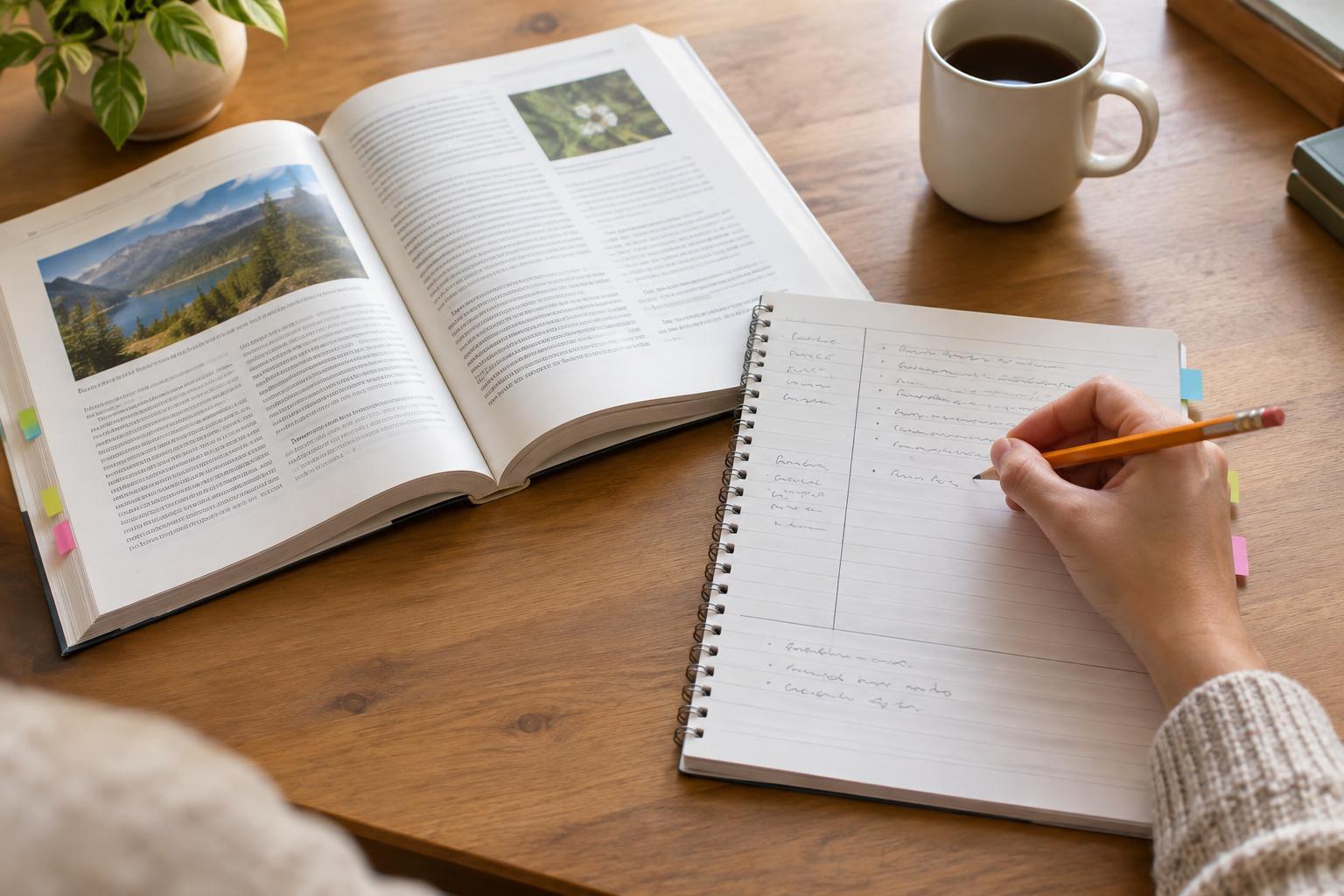
Reading and StudyCornell notes give textbook reading a clear structure: record key ideas, turn them into questions, and write a brief summary. Learn how to set up a page, take selective notes, and use them for review.
Read article · 4 min↗
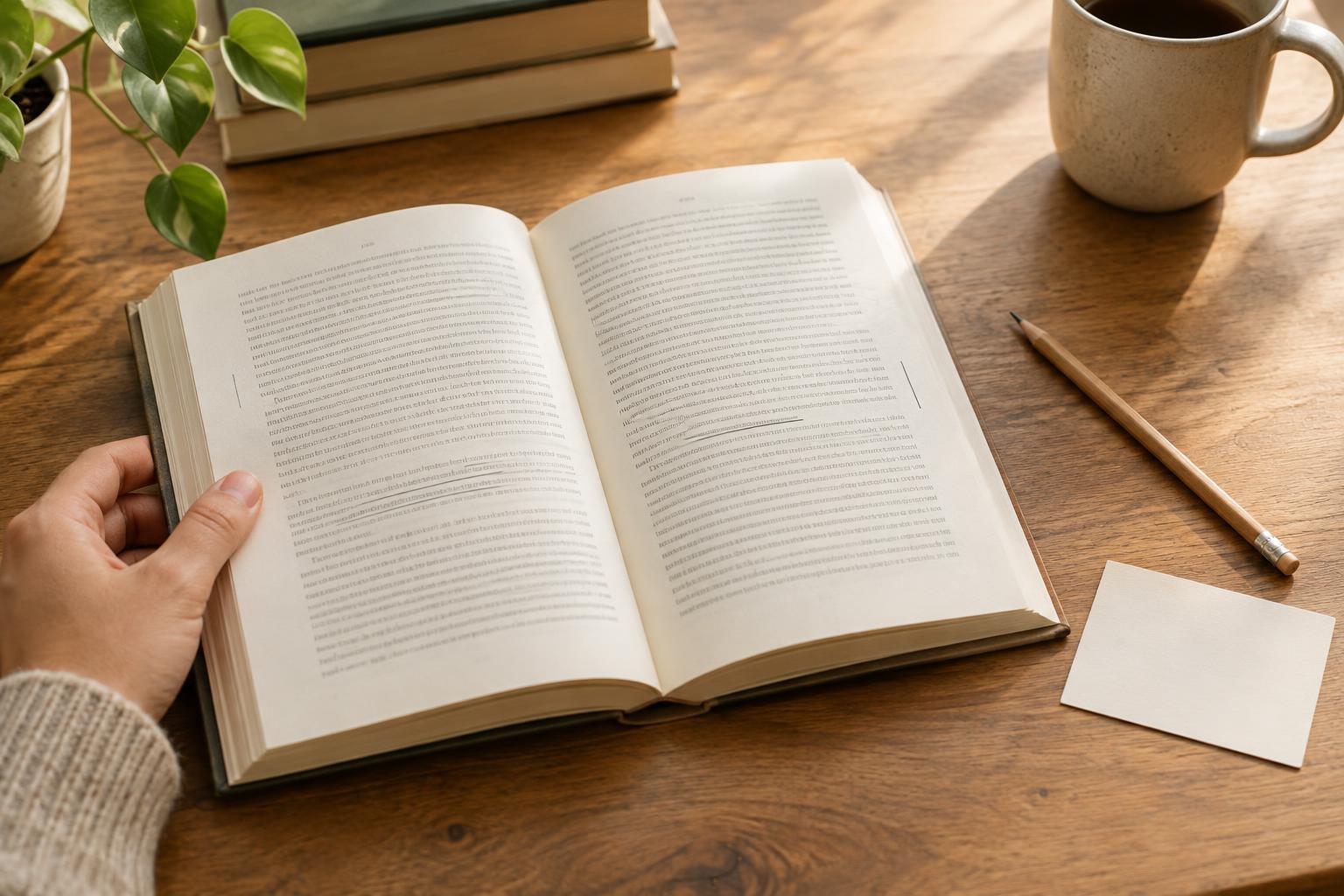
Reading and StudyUseful annotations help you find, question, and remember ideas. Learn a selective approach that starts with a reading goal and ends with a short note you can use later.
Read article · 4 min↗
Reading and StudyAn unfamiliar term does not have to stop your reading. Learn when to keep going, when to look a word up, and how to turn important definitions into ideas you can actually use.
Read article · 4 min↗
Reading and StudyNotes can do more than identify sources. They can clarify a claim, show where evidence comes from, acknowledge a limit, or offer a useful detour. Learn how to read footnotes and endnotes without losing the thread of the main text.
Read article · 4 min↗
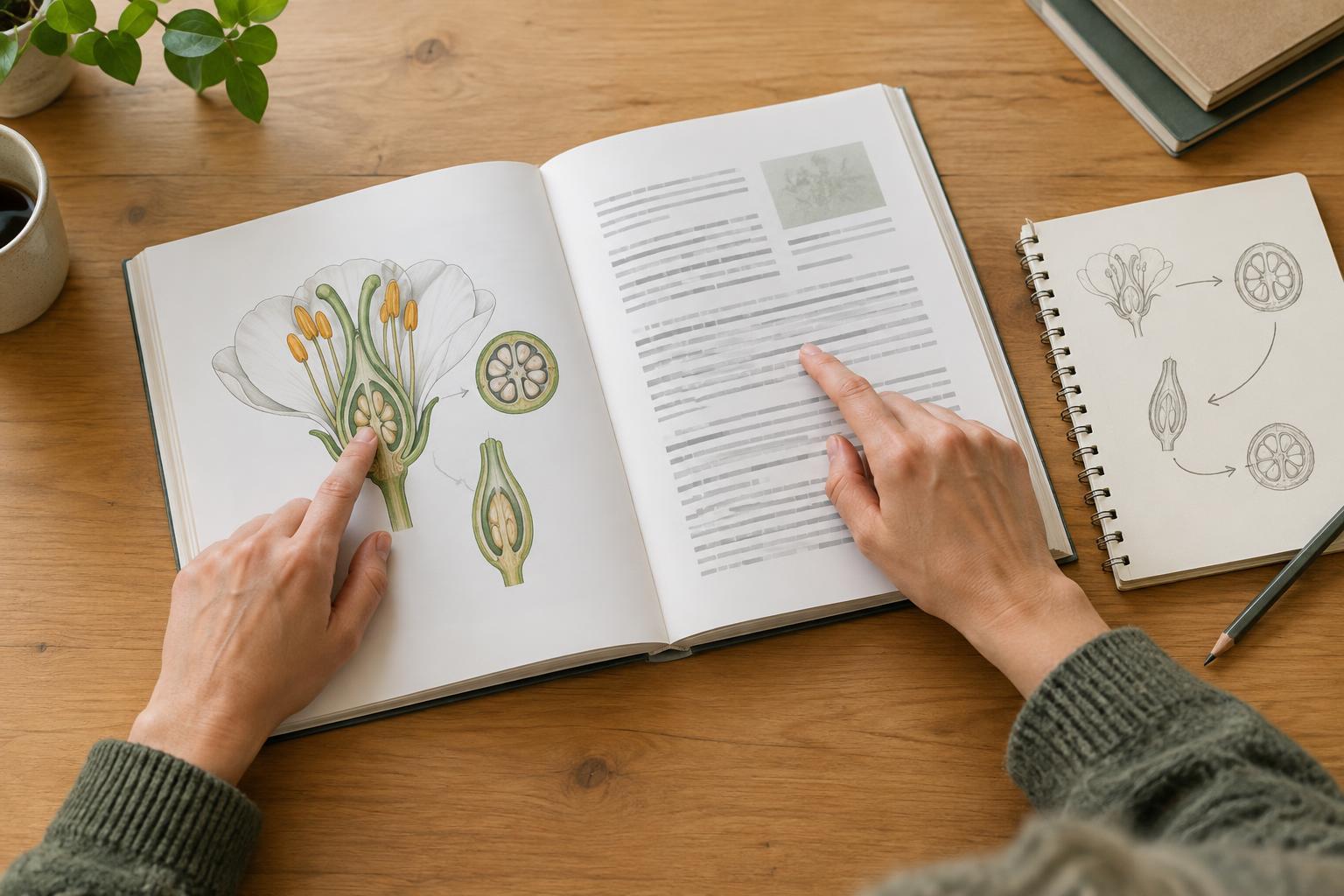
Reading and StudyA chart or diagram is part of a textbook’s explanation, not a break from it. Learn a practical routine for moving between the visual and the surrounding text, checking what each supports, and turning both into a clearer understanding.
Read article · 4 min↗
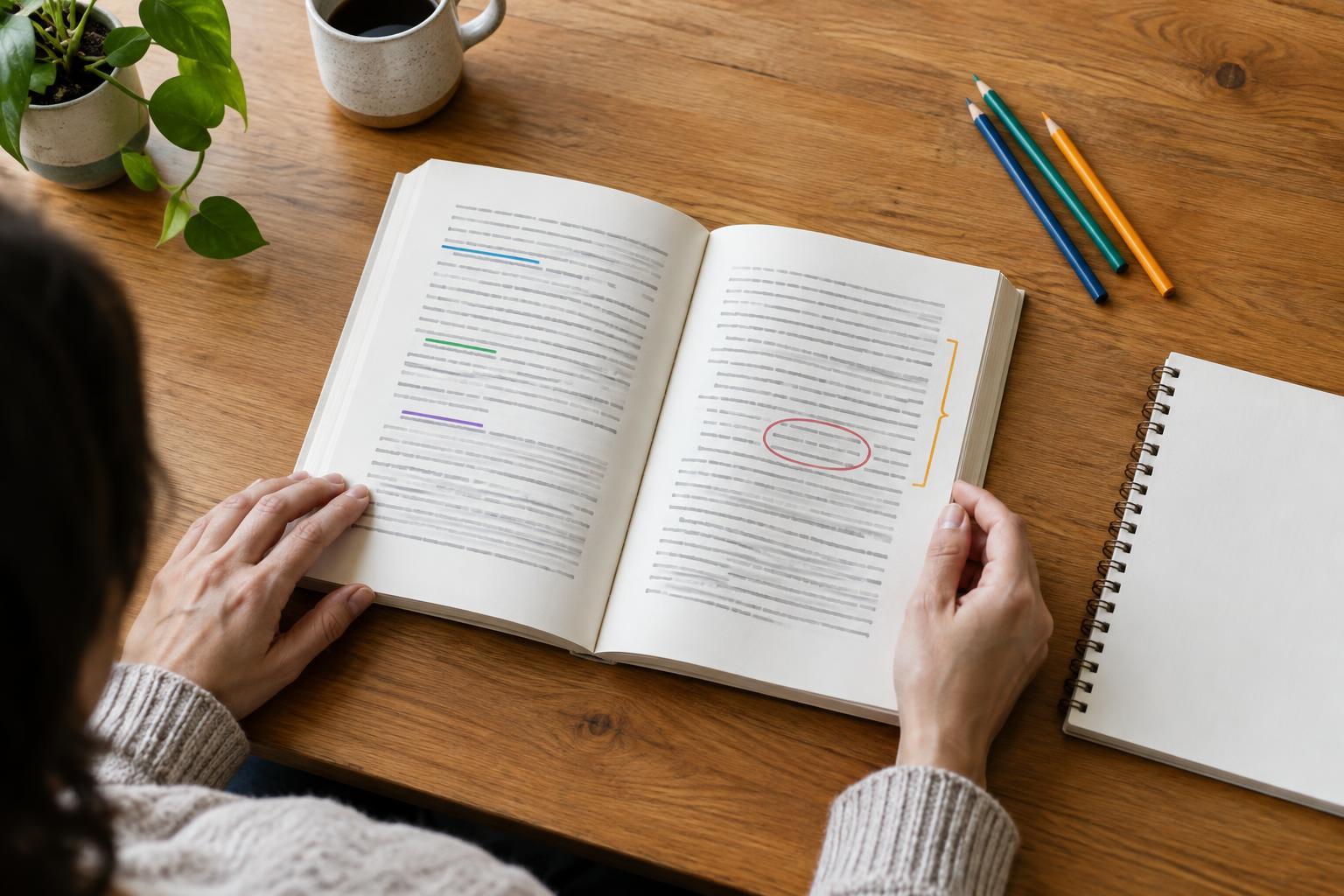
Reading and StudyA useful reading habit is to ask what each sentence is doing. Learn to spot the difference between support, illustration, and explanation, then use a simple annotation method to follow an author’s reasoning.
Read article · 4 min↗
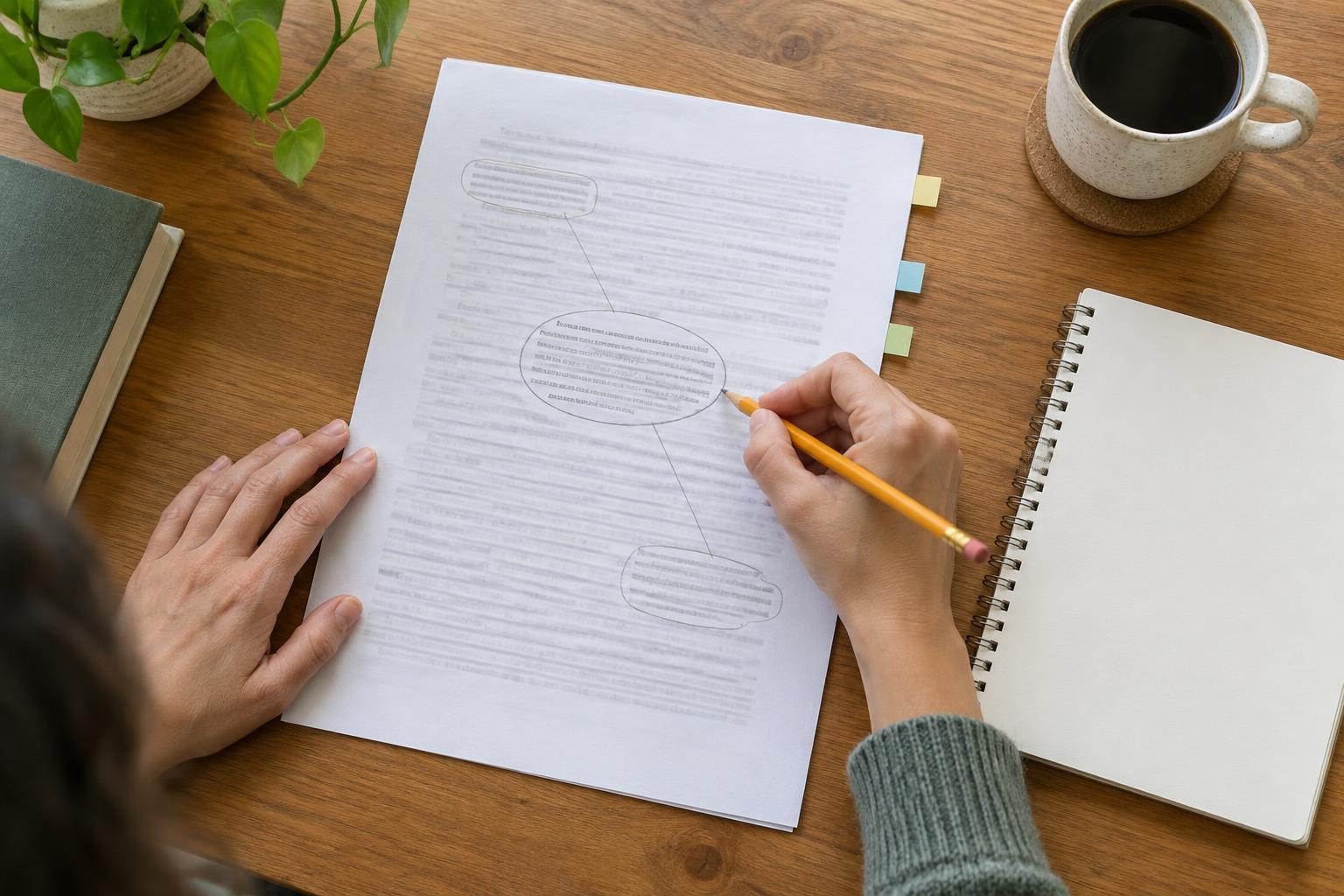
Reading and StudyA practical guide to finding what a writer wants you to accept and how they try to support it. Learn to separate a topic from a claim, trace reasons through a text, and test your understanding with a brief summary.
Read article · 4 min↗
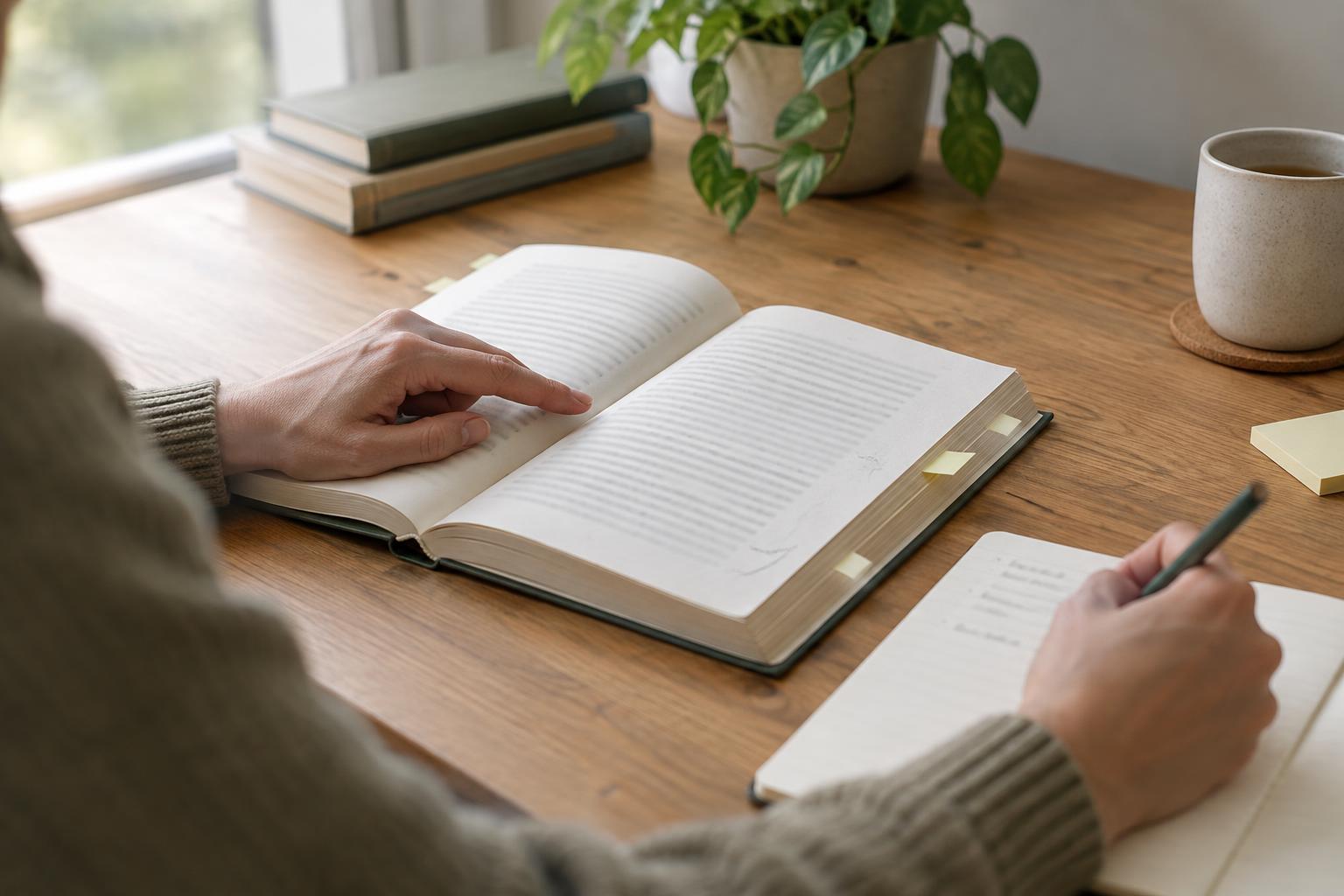
Reading and StudyA difficult nonfiction passage becomes more manageable when you stop trying to absorb it all at once. Learn a repeatable paragraph-by-paragraph method for finding the main point, untangling sentences, checking your understanding and building a useful summary.
Read article · 4 min↗

Reading and StudyNot every page deserves the same kind of attention. Learn when to skim for an overview, scan for a specific detail, or read closely for deeper understanding—and how to combine all three when studying.
Read article · 4 min↗
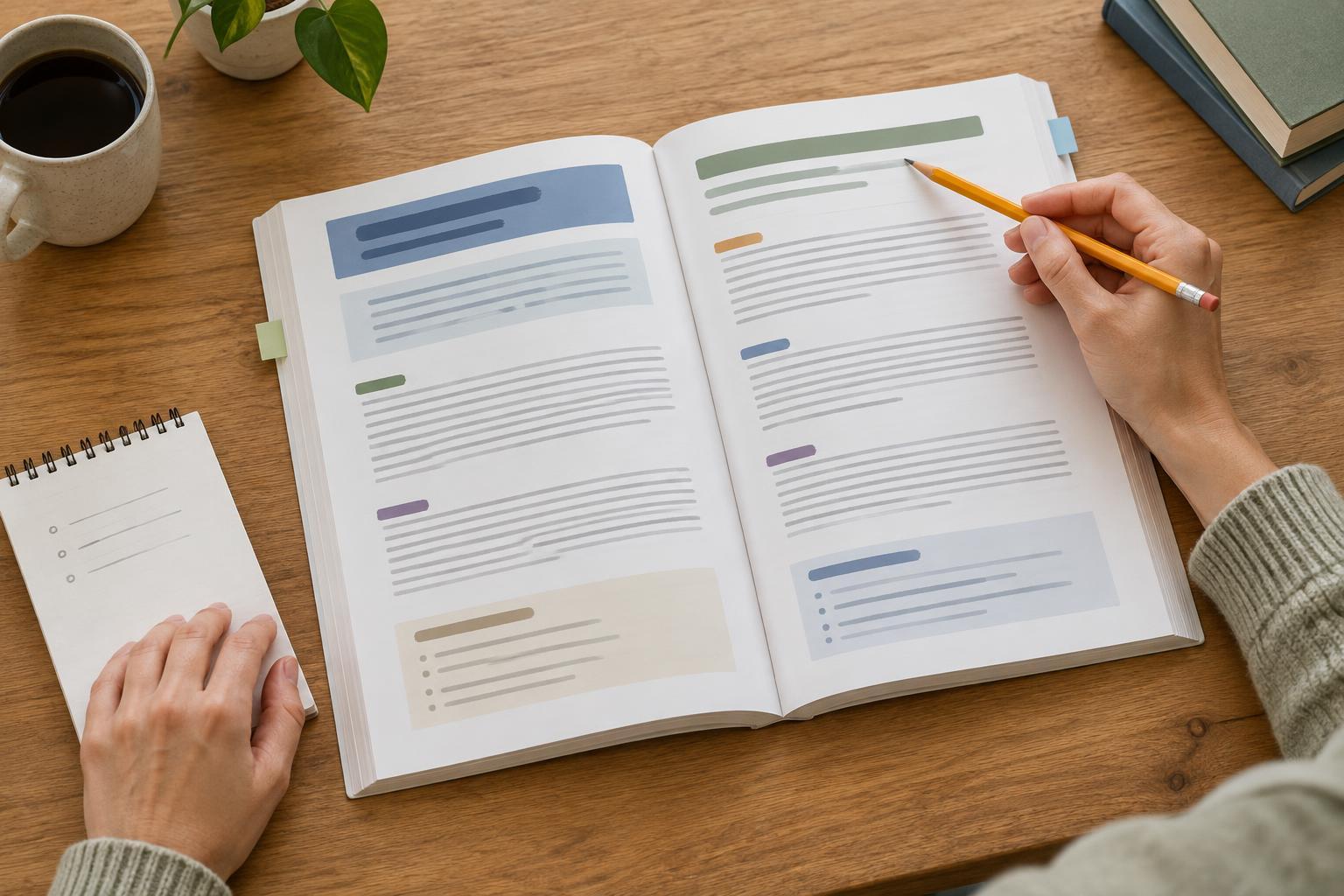
Reading and StudyA chapter preview can give you a useful map before you begin reading closely. Learn a simple routine for using headings, introductions, and summaries to spot the main idea, form questions, and choose where to focus your attention.
Read article · 4 min↗

Reading and StudyA clear reading purpose can help you decide what to pay attention to, how closely to read, and when you have learned enough. Use this simple planning routine before starting a nonfiction book, then adjust it as your understanding grows.
Read article · 4 min↗