
Language LearningForgetting a word does not have to end a conversation. Learn how to describe what you mean, ask for help, and turn vocabulary gaps into useful speaking practice.
Read article · 3 min↗
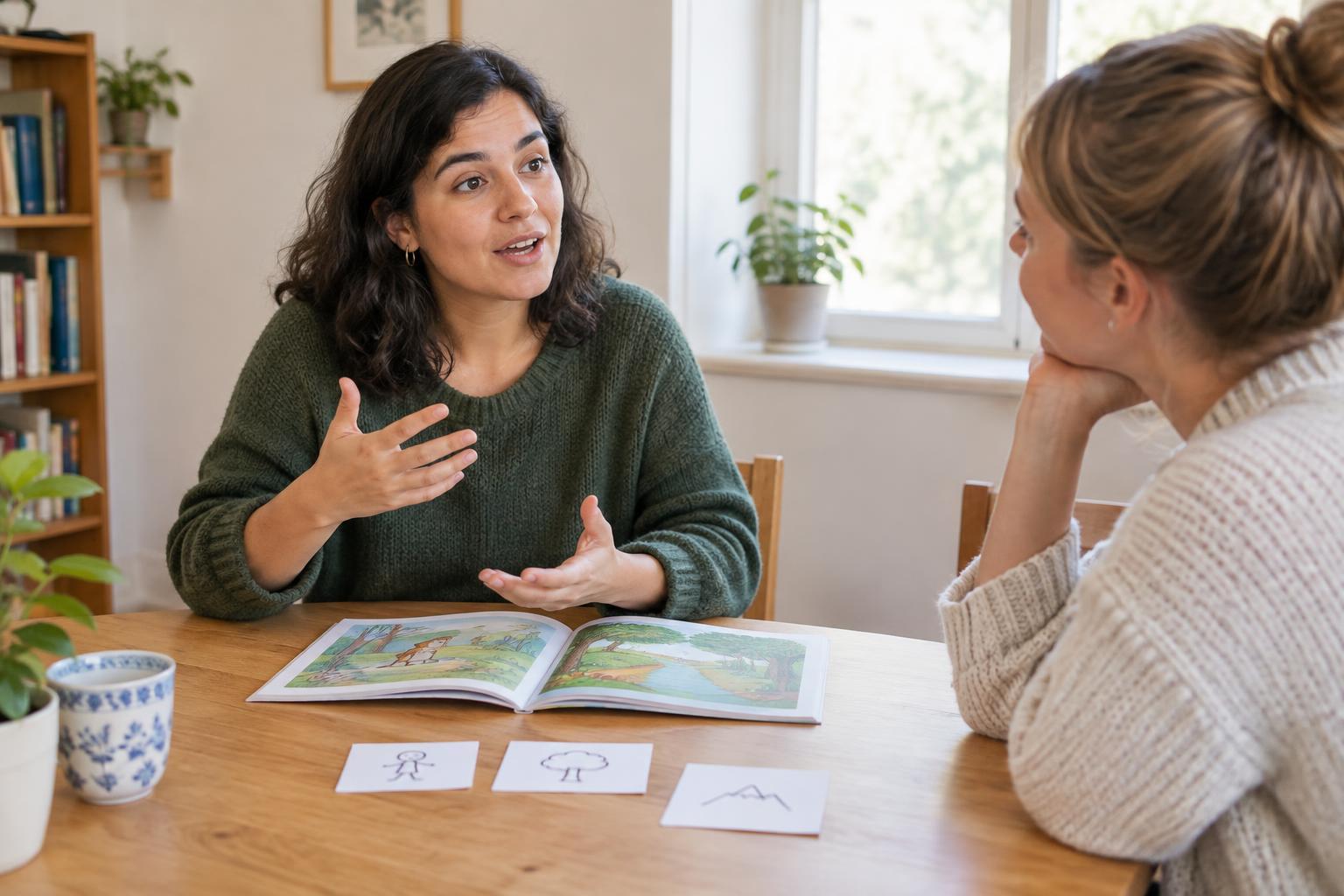
Language LearningRetelling a short story gives you a manageable way to turn reading or listening into speaking practice. Learn how to choose a suitable story, prepare a few helpful notes, tell it in your own words and decide what to improve next time.
Read article · 3 min↗

Language LearningListening without responding, waiting for perfect sentences, and skipping review can all make language study feel busier than it is useful. Learn how to turn familiar activities into active practice and build a routine you can return to.
Read article · 4 min↗
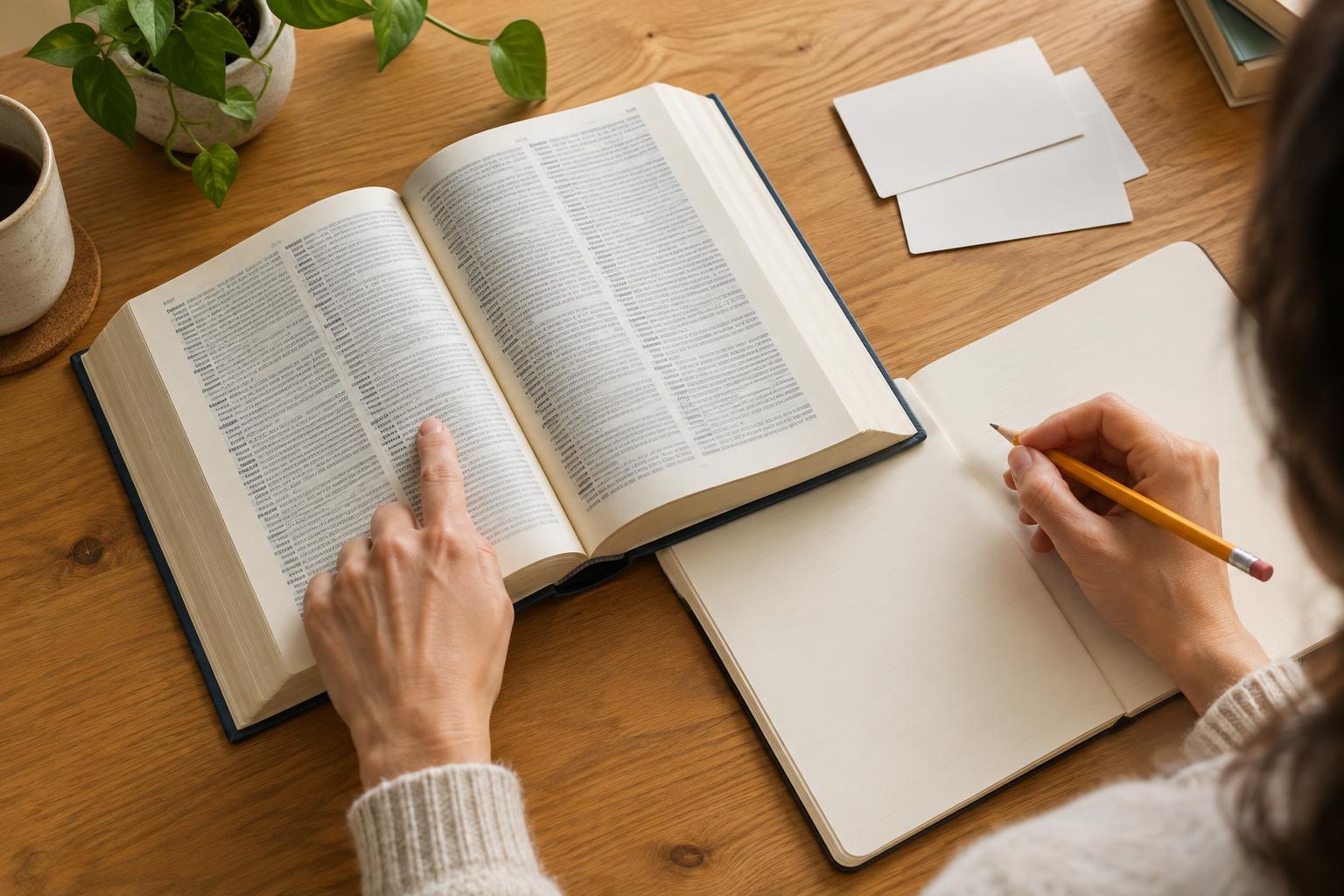
Language LearningA dictionary can give you several translations for one word, but only some will fit your sentence. Learn a practical routine for checking meaning, grammar, word partners and tone before you choose.
Read article · 4 min↗
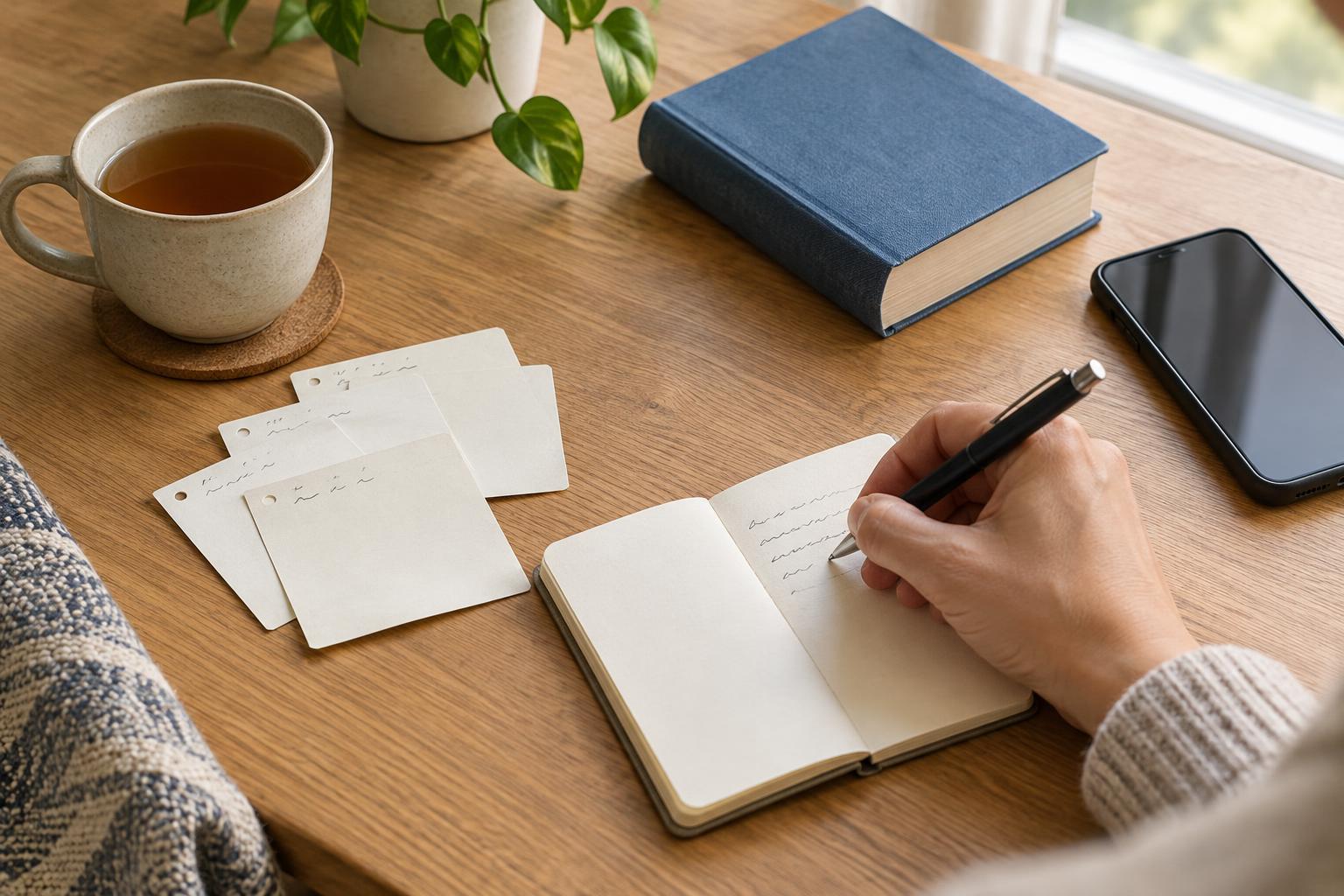
Language LearningA short message can turn language practice into a manageable daily habit. Learn how to choose useful prompts, reuse new phrases, check your writing and notice progress without needing a conversation partner every day.
Read article · 4 min↗

Language LearningStopping for every unfamiliar word can interrupt your reading, but guessing everything can leave you confused. Learn how to decide when context is enough, when a dictionary will help, and how to turn either choice into useful language practice.
Read article · 4 min↗
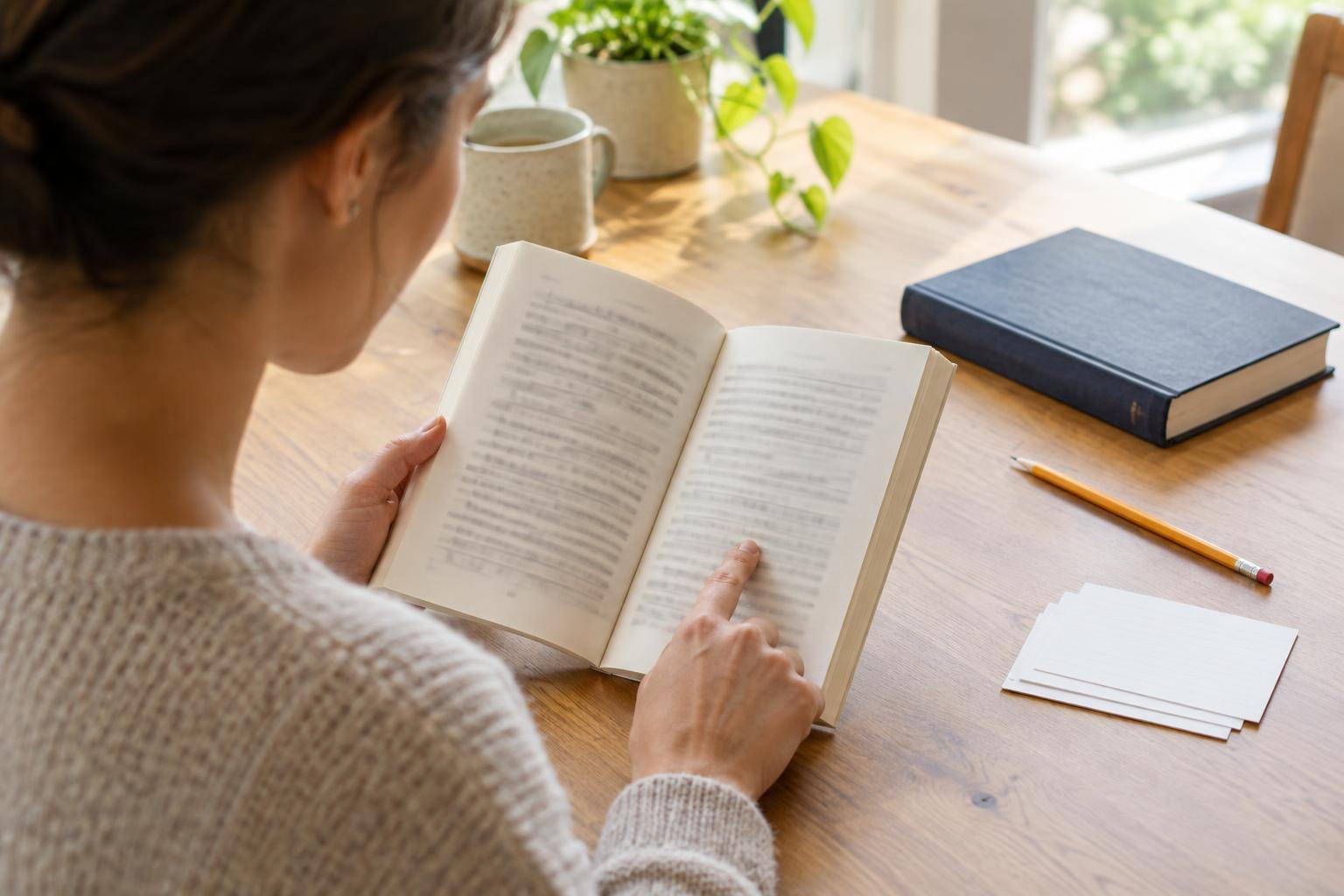
Language LearningYour first text in a new language does not need to feel easy to be useful. Learn how to choose a manageable passage, read for meaning before looking up words, and turn one short reading session into lasting practice.
Read article · 4 min↗

Language LearningConversation practice is easier to learn from when you agree on what kind of feedback you want. Use a simple request, choose a correction style, and turn a few useful fixes into practice for your next conversation.
Read article · 4 min↗

Language LearningA good language exchange gives both people time to speak, room to make mistakes, and a reason to meet again. Learn how to agree on goals, divide the session fairly, handle corrections, and keep practice useful for both partners.
Read article · 3 min↗

Language LearningYou do not need a large vocabulary or perfect grammar to begin speaking a new language. Start with small, repeatable exchanges, prepare phrases that keep a conversation moving, and build a practice routine you can actually maintain.
Read article · 4 min↗

Language LearningGrammar drills and conversation practice solve different learning problems. Learn when to use each, how to connect them, and how to build a routine that makes room for both accuracy and real-time communication.
Read article · 4 min↗
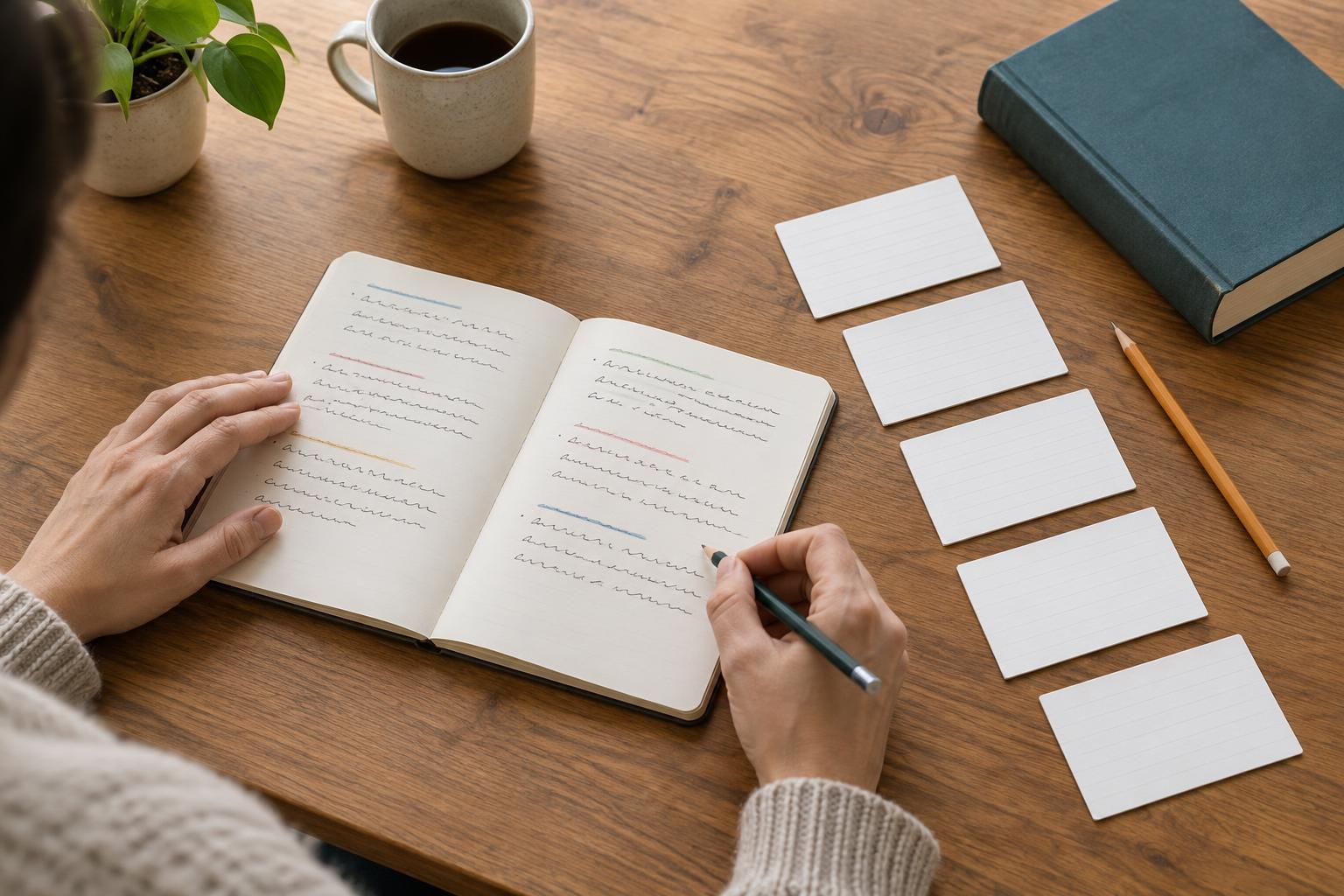
Language LearningGrammar rules become easier to use when you can recognize them in sentences you understand. Learn how to collect useful examples, notice what changes, build your own sentence patterns, and practice them in short sessions.
Read article · 3 min↗
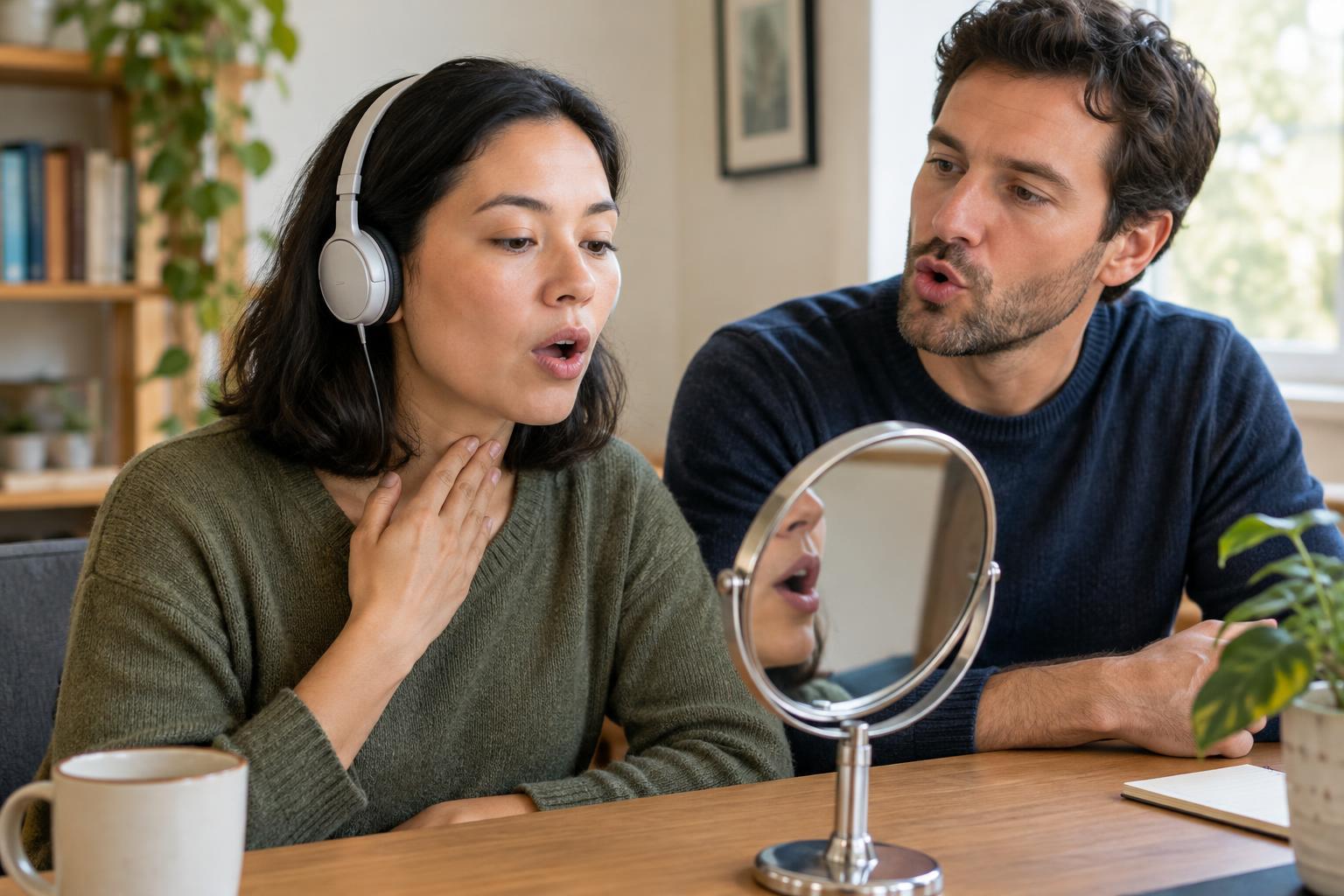
Language LearningAn unfamiliar sound can be hard to say because it is hard to hear clearly in the first place. Learn how to notice sound contrasts, experiment with pronunciation, and build a short practice routine that connects listening with speaking.
Read article · 5 min↗

Language LearningShadowing turns a short recording into a focused pronunciation exercise. Learn how to choose useful audio, speak along without getting stuck on every word, and build a routine that helps you notice rhythm, stress, and sounds.
Read article · 4 min↗
Language LearningTranscripts can make listening practice clearer, but reading every word from the start may leave little room to develop listening skills. Try a simple routine that uses the text to check, notice and learn—then gradually gives your ears more work to do.
Read article · 4 min↗

Language LearningListening gets easier to practice when the task is small and clear. Learn how to choose beginner-friendly audio, use repeat listening and transcripts, and gradually move from short clips to real conversations.
Read article · 3 min↗

Language LearningA vocabulary notebook is most useful when it helps you retrieve and use words, not just collect them. Learn how to choose entries, add memorable context, and build a short review habit that fits your life.
Read article · 4 min↗
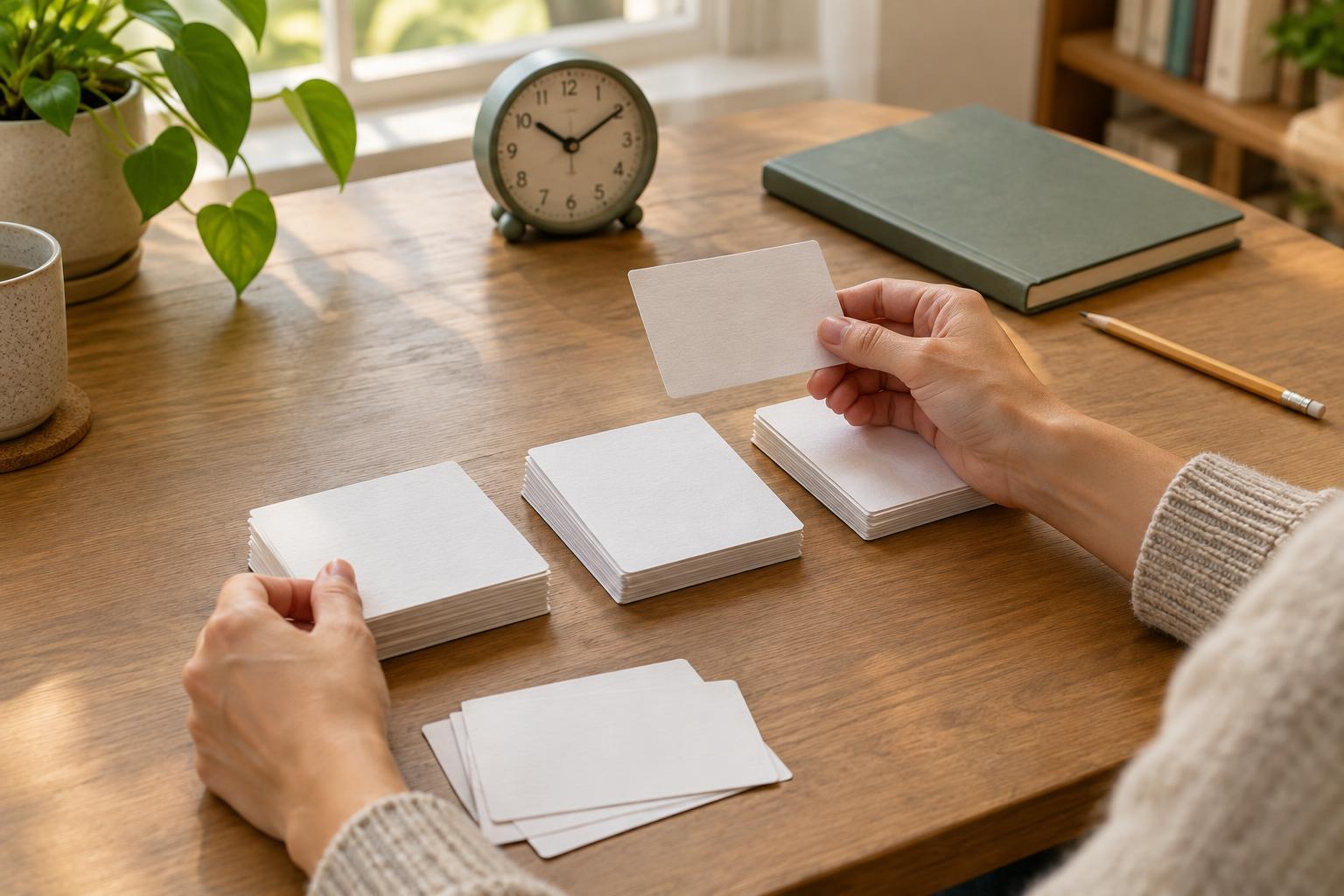
Language LearningSpaced repetition helps you revisit words before they fade from memory. Learn how to make useful vocabulary cards, plan short review sessions, and turn remembered words into language you can actually use.
Read article · 4 min↗

Language LearningA word is easier to use when you know what it does in a sentence, not just what it means on a list. Learn a practical routine for noticing useful words, checking their meaning, revisiting them and trying them in your own speech or writing.
Read article · 4 min↗

Language LearningA useful language routine does not have to fill your calendar. Start with a small daily session, give each activity a clear purpose, and make room for listening, speaking, reading, and writing over time. Here is a practical way to build a routine that fits ordinary days and survives occasional missed ones.
Read article · 4 min↗
Language LearningBeginner materials work best when they offer both a manageable challenge and enough support to keep you moving. Learn how to test a book, video, podcast or lesson before committing to it, and how to adjust materials that feel too easy or too hard.
Read article · 4 min↗

Language LearningA useful language goal begins with something you want to do, not a vague promise to become fluent. Learn how to choose an everyday situation, define a manageable outcome, build a practice routine, and adjust your goal as you learn.
Read article · 4 min↗