Two approaches, two kinds of progress
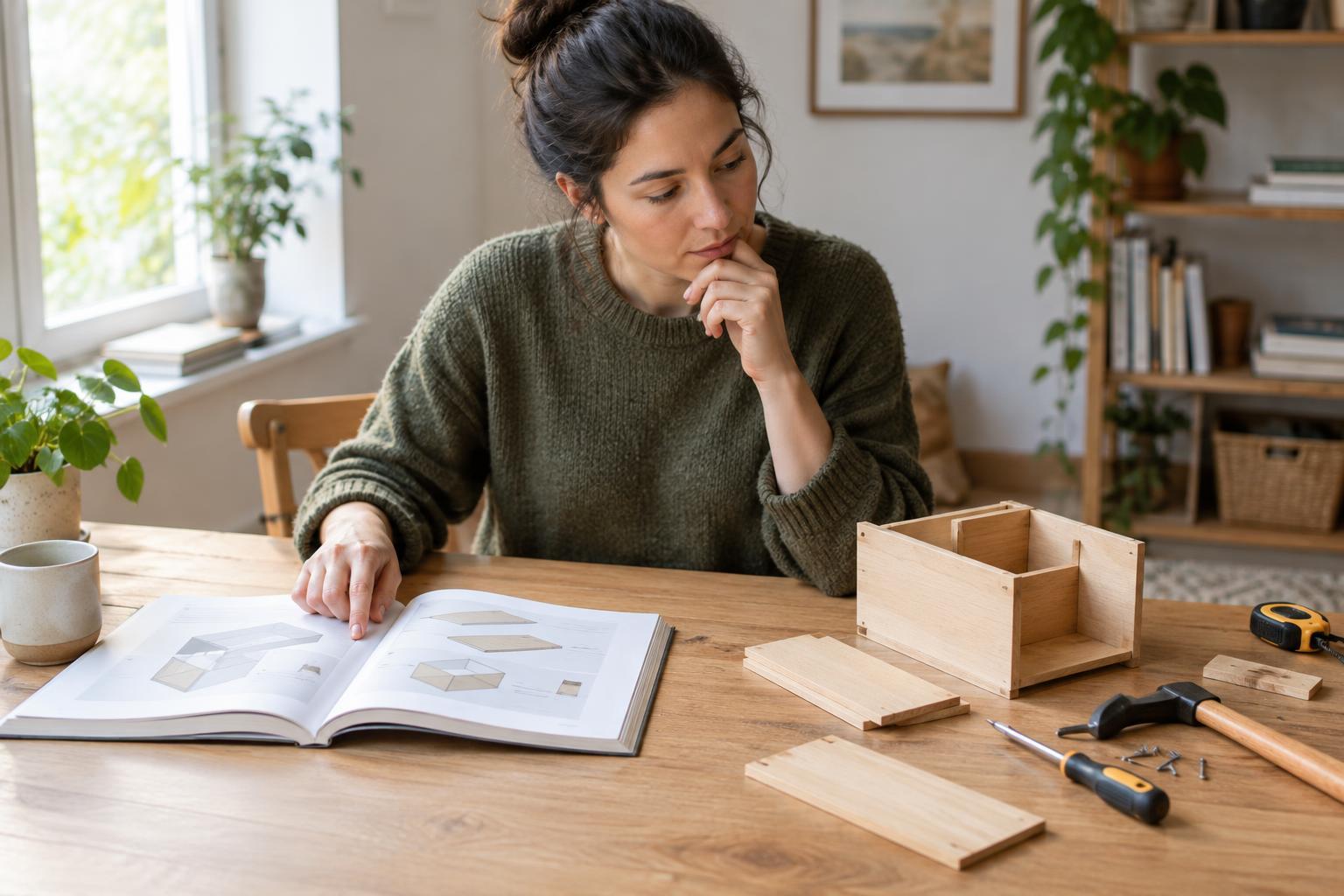
A tutorial leads you through a sequence chosen by someone else. It might show you how to edit a photograph, build a spreadsheet, or hold a short conversation in a new language. Its main advantage is that it reduces the number of decisions you must make while you are learning unfamiliar steps.
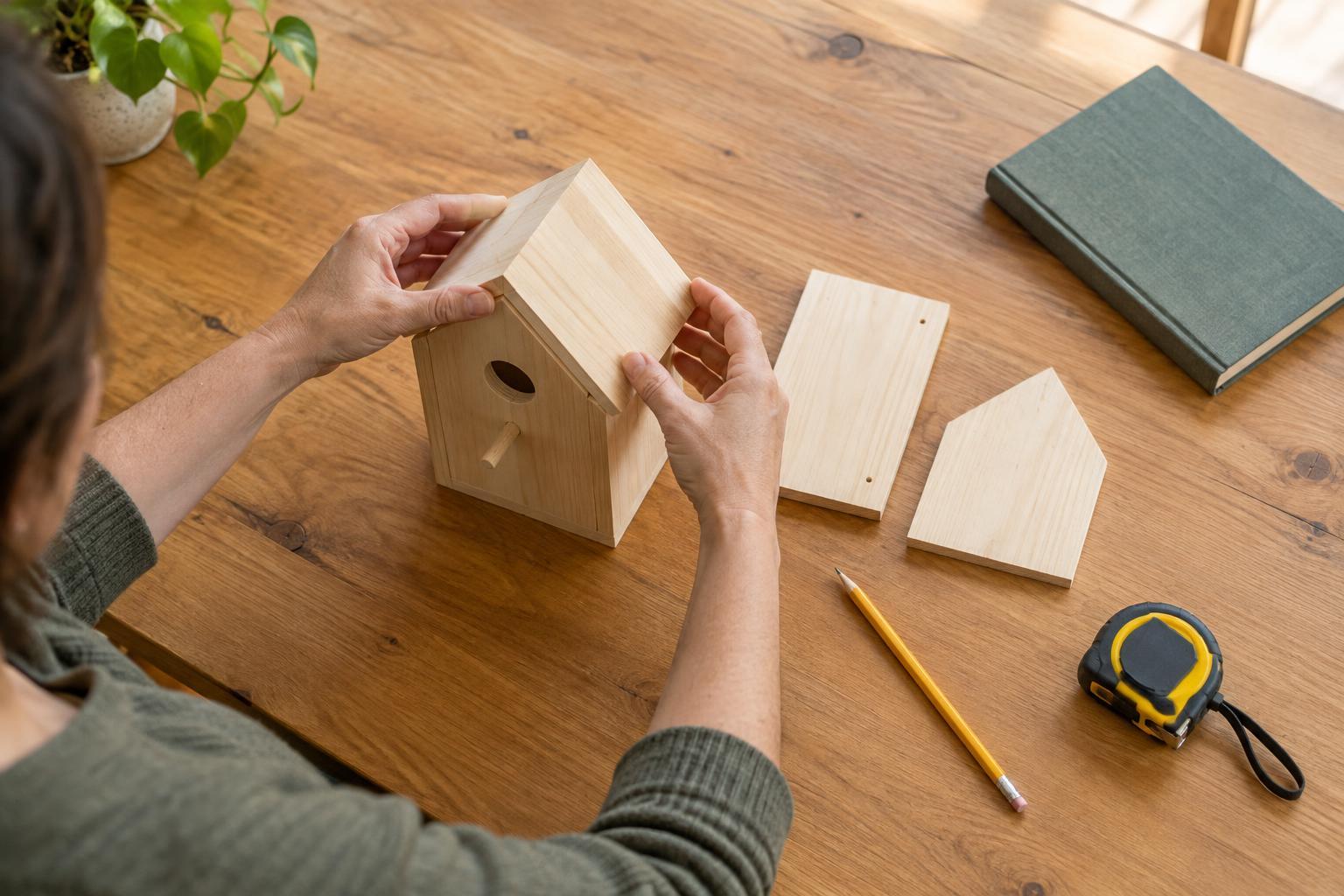
A project starts with something you want to make or accomplish. You might organize your household records, write a short story, or create a photo album. A project forces you to decide what matters, find the skills you lack, and judge whether your result works for its intended purpose.
Neither approach is automatically better. A tutorial can help you get moving without being overwhelmed, while a project can reveal what you actually understand. The useful question is not “Which kind of learner am I?” but “What support do I need for the next part of this task?”
Use tutorials to build a starting foothold
Choose a tutorial when the tools, vocabulary, or basic sequence are still unfamiliar. If you have never used a spreadsheet formula, a short guided example may be more helpful than opening a blank sheet and guessing. Look for a tutorial that produces a small result you can inspect, rather than one that asks you only to watch.
Following along is a start, not proof that you can work independently. After finishing, close the instructions and repeat the core task from memory. Then change one detail: use your own data, adjust a setting, or explain why a step was necessary. If you cannot make a small change, revisit that part before moving to another tutorial.
Tutorials can become a comfortable loop. Completing lesson after lesson may feel productive even when you have not decided what you want to do with the skill. Set a modest stopping point, such as learning enough basic tools to attempt one small task of your own.
Use projects to make learning purposeful
Choose a project when you know enough to begin but need practice making choices. A project gives your learning a destination: instead of studying every feature of a note-taking app, you can build a searchable set of notes for a book you are reading. The finished result does not need to impress anyone. It needs to help you test your ideas.
Keep the first version narrow enough to complete. “Learn to design websites” is an open-ended ambition; “make a one-page guide to my favorite walking route” is a project. Decide what the page must include, what can wait, and what a usable first version would look like. Those boundaries make it easier to notice progress.
Projects can also expose gaps quickly. If you spend more time wrestling with setup than working on your idea, the project may be too large for your current skills. Reduce its scope or pause for a targeted tutorial. Struggling is useful when it points to a question you can answer; it is less useful when the next step remains unclear.
Switch approaches at the point of friction
You do not have to commit to one method for an entire subject. Try a cycle: follow a short tutorial, make a related item without instructions, and note where you get stuck. Find help for that specific gap, then return to the item. This keeps tutorials connected to a purpose and projects small enough to continue.
For example, suppose you want to record a brief interview in a language you are learning. A lesson on question forms can give you a starting pattern. Draft five questions for a real topic, practice asking them aloud, and notice which answers you cannot follow up on. Your next lesson can focus on follow-up questions rather than an unrelated list of phrases.
A useful sign that it is time to switch is repeated friction. If you keep copying steps without understanding them, try a small independent task. If you keep hitting the same obstacle in a project, seek a focused explanation or worked example. Change the method to address the obstacle, not simply to feel busy.
Plan your next learning session
Before you begin, write down one outcome for the session: “I will make a chart from my own data” or “I will learn how to sort a table.” If you cannot yet name the steps, start with a tutorial. If you can name the steps but have not tried them in your own context, start with a project. Keep the outcome small enough that you can review what happened afterward.
At the end, record three things: what you made or practiced, where you hesitated, and what you will try next. A rough draft, a corrected formula, or a clearer question all count as useful results. Over time, these notes can help you choose guidance when you need it and independent practice when you are ready.