Start with a small finished version
When you want to make something new, it is tempting to begin with a broad subject: learn photography before creating a family album, or learn to code before building a simple website. Those subjects may be useful, but they are too large to guide your first week. Instead, describe a small version of the thing you want to finish. What will it contain? Who is it for? What would make it usable, even if it is not polished?
Suppose you want to make a short audio guide to your neighborhood. A first version might be a five-minute recording that describes one walking route and can be shared with a friend. That description gives you a better learning target than “master audio production.” You may need to plan a route, write a clear script, record understandable speech, and save a file your friend can open. You probably do not need to learn advanced sound design yet.
Work backward from the steps you will take
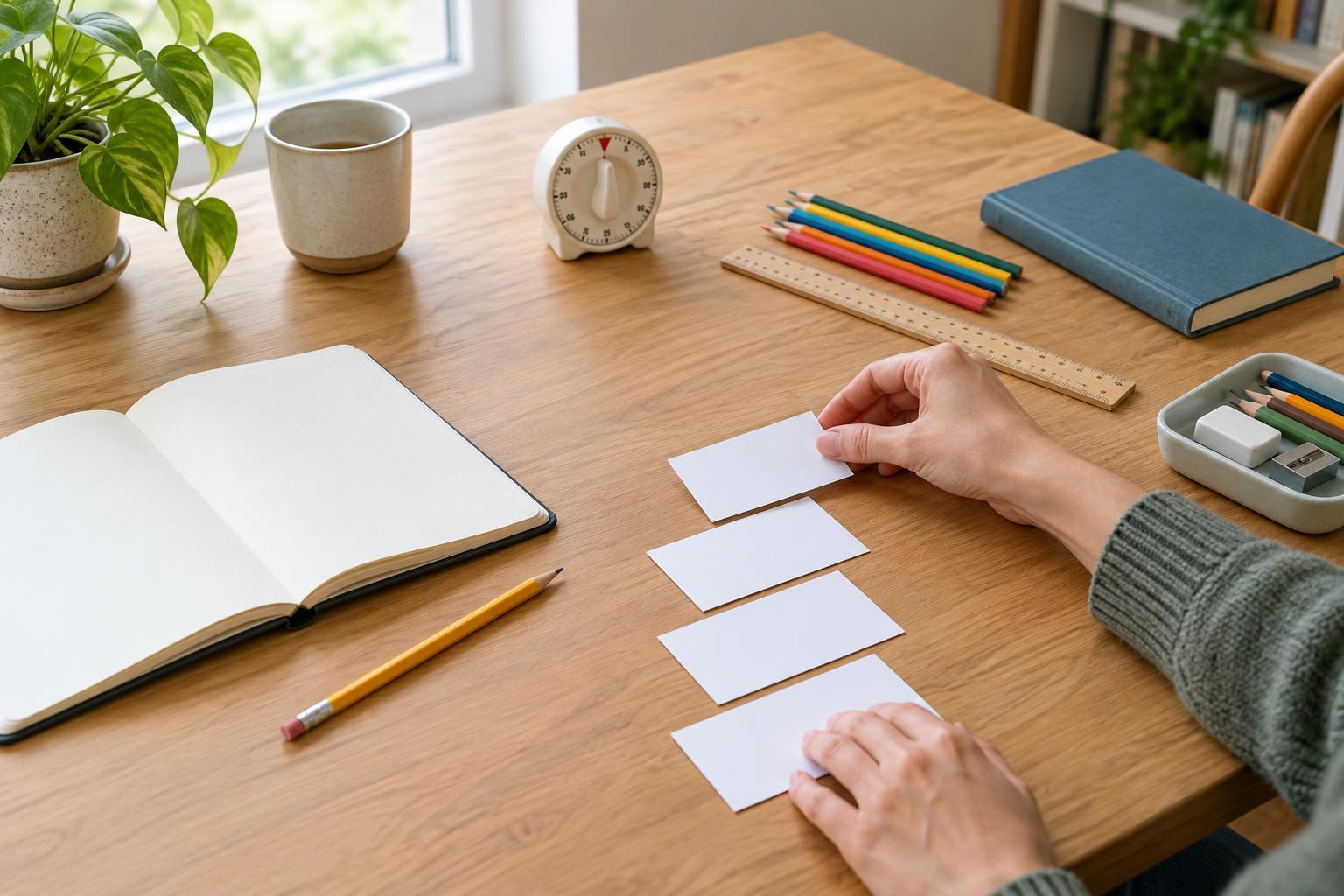
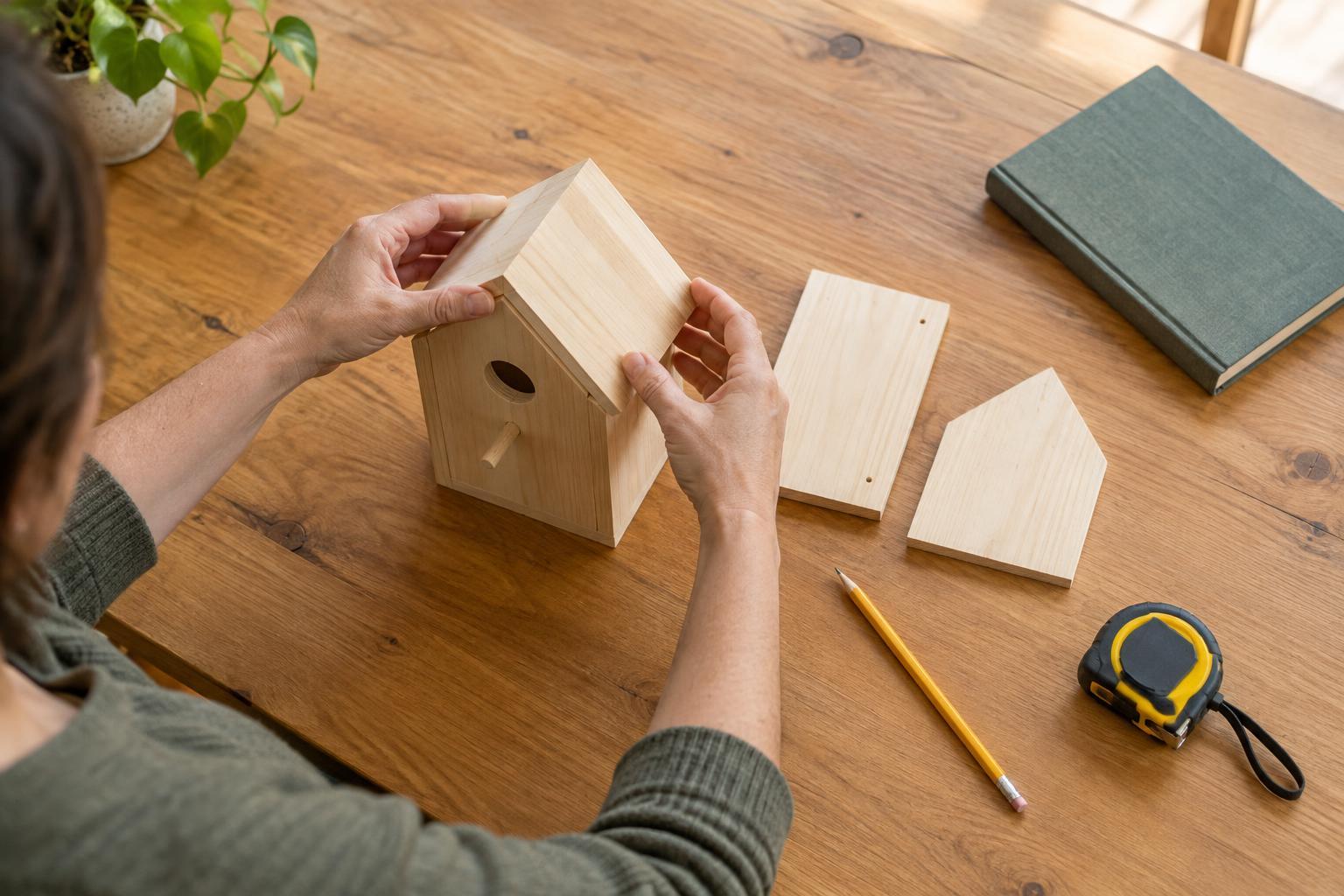
Write down the main actions between your starting point and that small finished version. Use verbs rather than subjects: choose, measure, draft, assemble, test, revise, share. Next to each action, note what you already know well enough to try and what you cannot yet do. This turns a vague feeling of being unprepared into a short list of specific questions.
For the audio guide, “record the narration” might raise questions about microphone placement and how to reduce distracting background noise. “Share the guide” might raise a question about file formats. You do not need a complete course in either area to begin. You need enough information to make the next attempt and recognize whether it worked. If you are unsure what a step involves, try doing a rough version first; the attempt will often reveal a more precise question.
Sort learning needs by what they block
Not every gap deserves attention before you start. Put your questions into three groups: must learn before attempting, can learn while making, and can leave for later. The first group should be small. It might include safe handling of a tool or a basic process without which you cannot make a meaningful attempt. The second group covers skills you can practice in the project itself, such as writing smoother transitions. The third includes refinements that would improve a later version but are not necessary for the first one.
Ask, “What happens if I get this wrong in a rough draft?” If the result is an easy-to-fix mistake, make the draft and learn from it. If the mistake could waste expensive materials, damage equipment, or create a safety problem, pause and get appropriate guidance. This distinction keeps you from treating every unknown as an emergency while still giving important risks the attention they deserve.
Choose a learning task with a visible result
Once you have identified a blocker, turn it into a small task rather than an open-ended plan to study. “Learn audio editing” could become “trim a thirty-second test recording and listen to the saved file.” “Learn layout” could become “arrange one sample page so its heading and instructions are easy to follow.” Each task should produce something you can inspect. The result will tell you whether to continue, repeat the exercise, or look up a narrower question.
Set a stopping point before you begin gathering information. For example, decide that you will read one beginner explanation, try the technique, and note what remains confusing. This is not a rule against deeper study. It is a way to prevent preparation from quietly replacing the project. Keep an “interesting later” list for ideas that catch your attention but do not help with the current version.
Let the first version update your plan
Your initial list of learning needs is a guess, not a contract. After you make a rough version, ask someone to try it if that is practical, or test it yourself under ordinary conditions. Can a reader follow the instructions? Can a listener understand the recording? Does the object hold together? Look for the point where the project stops working, then choose the next skill or piece of knowledge that addresses that point.
This cycle gives your learning a purpose: decide on a small outcome, learn enough to attempt it, make it, and use what happened to choose the next step. You may discover that a skill you expected to need can wait, while an overlooked detail matters immediately. The goal is not to know everything before you begin. It is to know enough to make a useful first attempt—and to let that attempt show you what to learn next.