Start with what you want to do, not just what you want to know
“Learn photography” or “study history” may sound appealing, but either could lead in dozens of directions. To find a project you can actually begin, ask what you would like to do with the knowledge. You might want to take clearer photos on family walks, understand the history of a neighborhood, or hold a short conversation in a language you are learning. An action gives your curiosity a shape without requiring you to master the whole subject.
Make a quick list of three interests that have stayed with you, even if you have not acted on them. Beside each one, write a possible outcome you could produce or demonstrate: a photo series, a short explanation, a recipe you can make from memory, or a conversation you can rehearse. You are not choosing a lifelong specialty. You are looking for one inviting next step.
Check the time you really have
A project should fit your ordinary week, not an unusually quiet one. Look at the next few weeks and identify when you could give it attention. Include the time needed to set up, find materials and pick up where you left off. If your schedule changes often, several short sessions may be more realistic than one long session. If you usually have a dependable block of time, a project that benefits from deeper concentration may suit you.
Try describing your available time as a routine rather than a total number of hours: “I can practice for fifteen minutes after lunch on weekdays,” or “I can spend one weekend morning making something.” Then ask whether your idea can move forward within that routine. Reading and annotating one short article might; building an elaborate research archive might not. A smaller version is still a real project.
Choose a clear, modest finish line
An open-ended interest becomes easier to manage when you decide what “done for now” means. Instead of “get better at writing,” you could draft and revise a one-page description of a place you know. Instead of “learn about local plants,” you could learn to recognize five plants on a familiar walking route. A finish line helps you select resources, notice progress and stop before the project expands beyond your available time.
Keep the outcome modest enough that you can picture the steps between starting and finishing. For a language project, that might mean preparing a two-minute introduction, practicing it aloud and making one revision. For a digital research project, it might mean comparing a few explanations of a single question and writing down what remains unclear. Completion does not require perfect understanding; it gives you a point from which to decide what to explore next.
Match the project to your energy and resources
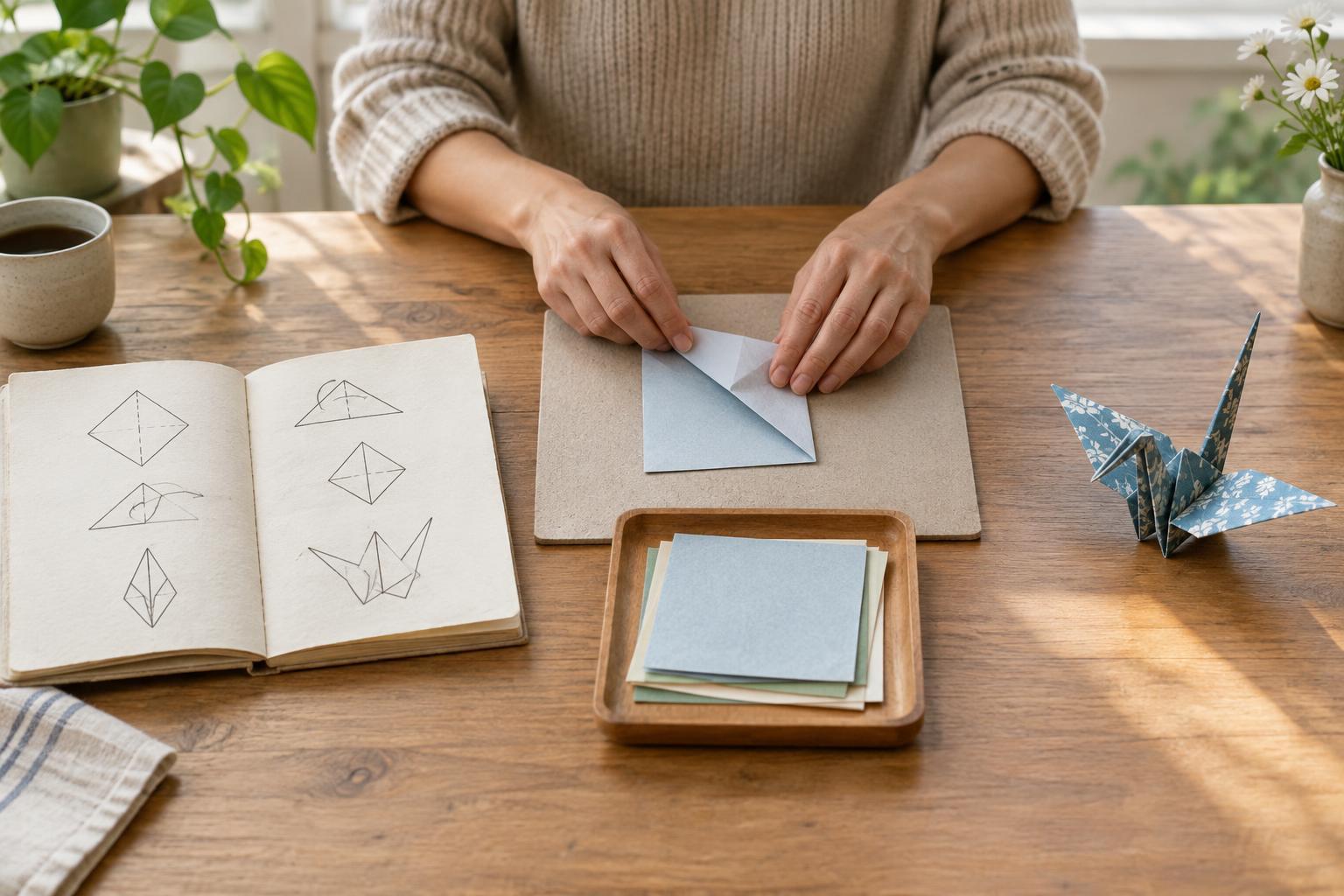
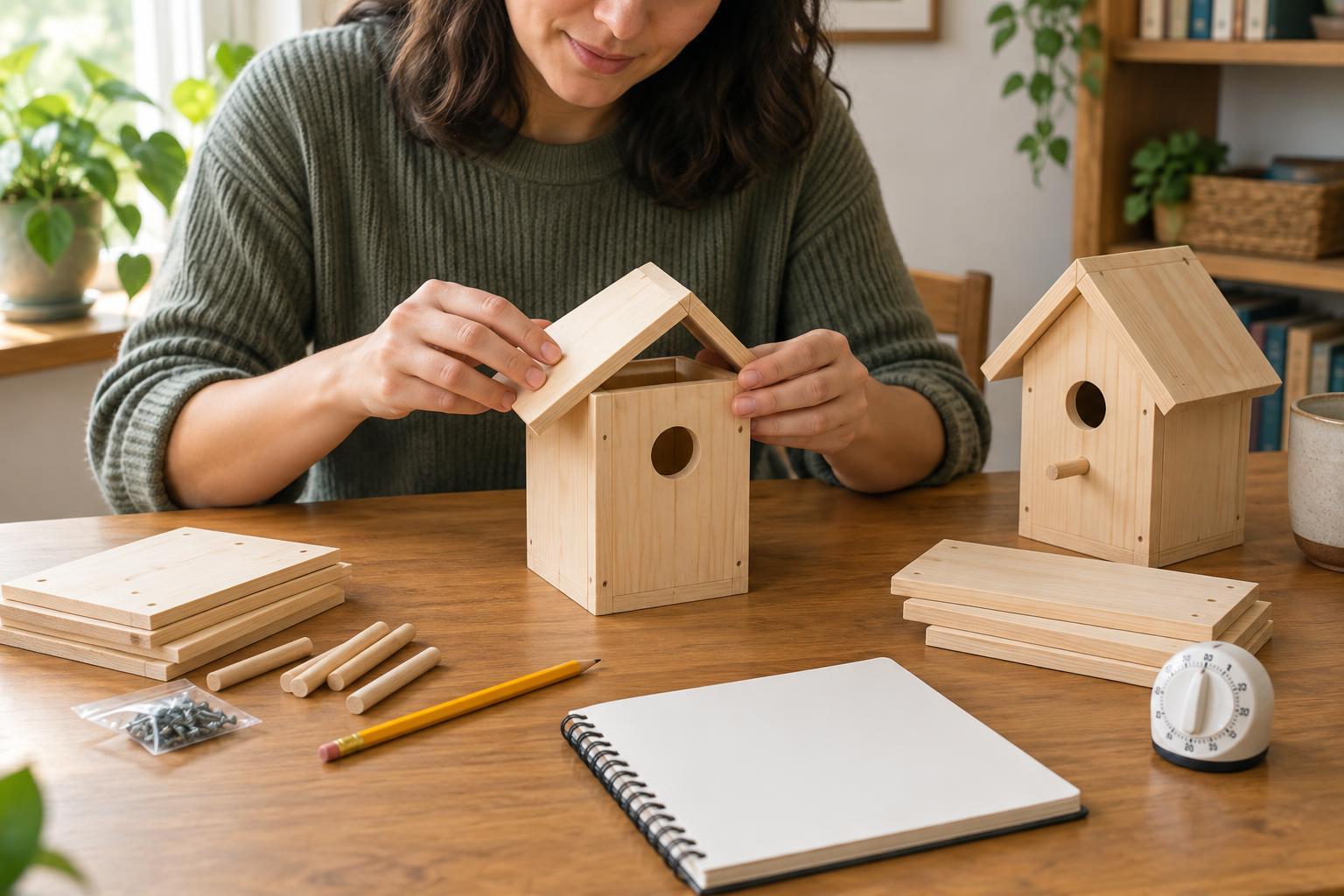
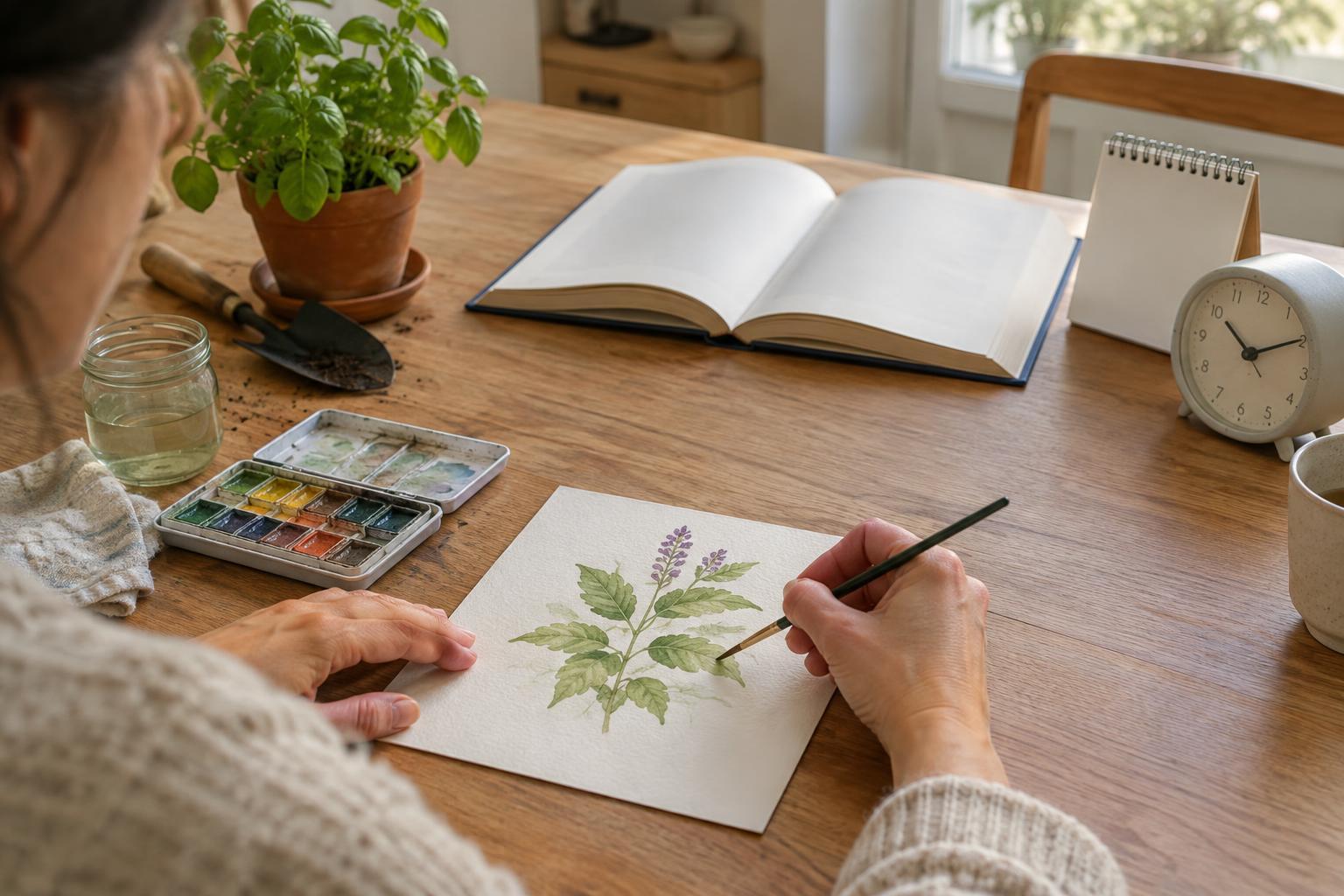
Time is only one constraint. Some tasks require a quiet space, supplies, a partner or enough energy to solve unfamiliar problems. Before committing, list what your proposed project needs and separate essentials from extras. You may enjoy drawing but have no convenient place to leave materials out. A small sketchbook project might fit better than a large painting project. You may want to practice speaking but have no regular partner; recording short responses can provide a workable first stage.
Consider the kind of effort that feels welcome right now. After a day spent reading, a hands-on project may be more appealing than another long text. If your evenings are unpredictable, an activity with an obvious stopping point may be easier to resume. These preferences can change. Choosing around present conditions is not lowering your ambitions; it is giving your interest a practical way into your week.
Run a short trial before you commit
If two ideas seem equally promising, test them rather than debating them indefinitely. Give each one a small trial using the time you would normally have. Try one practice conversation, annotate one page, or make one rough sketch. Afterward, ask: Did I enjoy the activity itself, not just the idea of being good at it? Was it easy enough to begin? Do I know what I would do next?
Choose the project that invites a second session and set out its first few steps. For example: gather one useful resource, complete one small task, review what worked, then adjust the next task. Keep a note of other interests so you do not feel you are abandoning them. A well-chosen learning project does not have to be the most impressive option. It needs to be meaningful, manageable and worth returning to.