Start with what the project should show
An independent learning project can end in several ways. You might write a guide explaining a process, give a demonstration of a skill, or make a finished work such as an essay, illustration, or simple tool. These are not just different ways to present the same learning. Each one asks you to pay attention to a different part of it.
Before choosing, write one sentence that begins, “By the end of this project, I want to be able to…” Then ask what someone would need to see to believe that sentence. If your goal is to understand how a process works, a guide may be appropriate. If your goal is to perform a skill, a demonstration may reveal more. If your goal is to create something usable or expressive, a finished work may be the clearest result.
Choose a guide when explanation is the goal
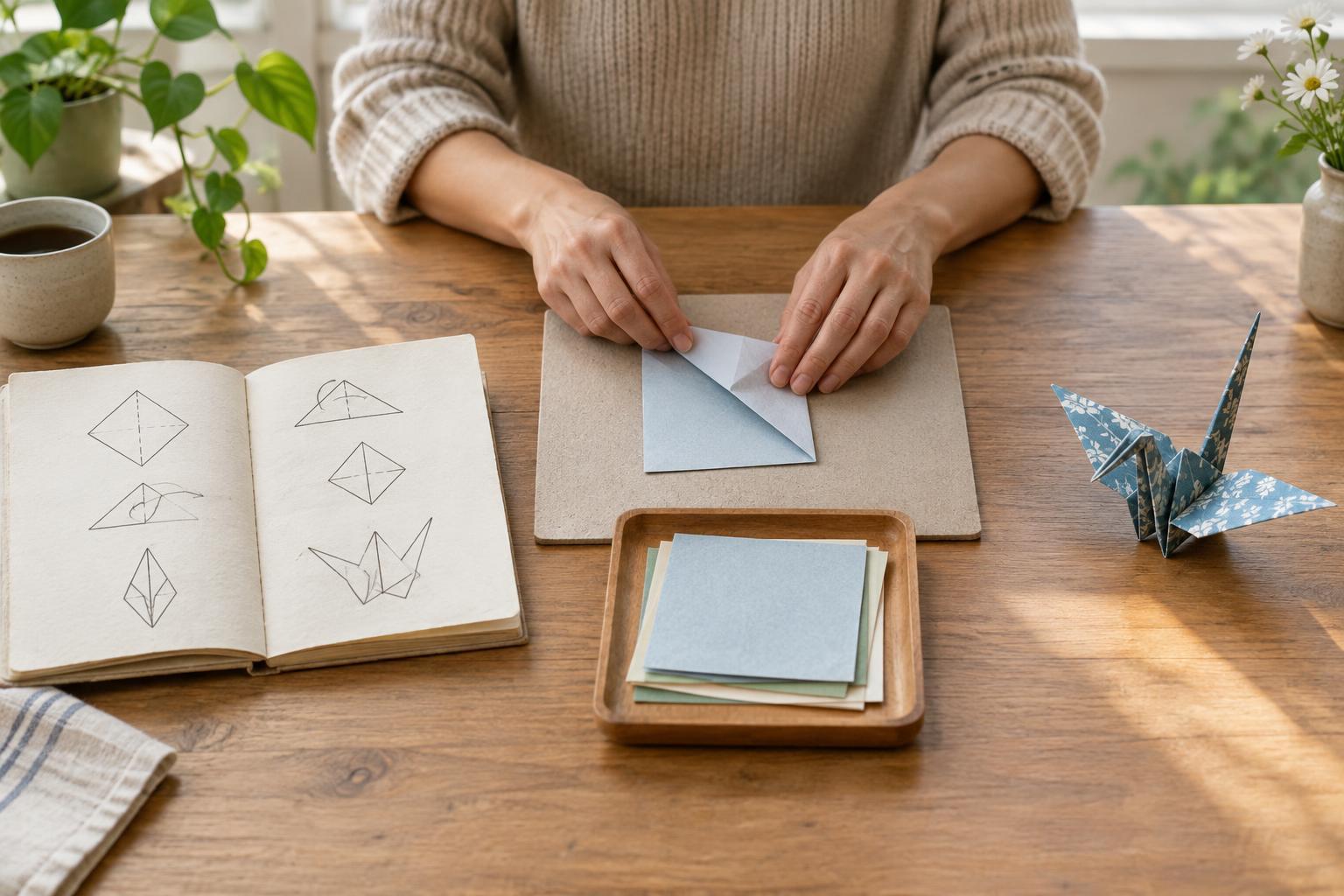
A guide teaches someone else how to approach a task or understand a topic. It might take the form of a short handbook, a set of annotated examples, or a step-by-step worksheet. Making one requires you to arrange what you have learned in a useful order, define unfamiliar terms, and notice where a beginner might get stuck.
A guide is a strong choice when your project involves comparing methods, gathering scattered information, or learning a repeatable process. For example, after practicing how to evaluate online sources, you could make a one-page guide to the questions you use before trusting a page. Keep the audience specific: a guide for your future self can be shorter and more personal than one for someone starting from scratch. Test it by following your own instructions. If a step depends on knowledge you have not included, revise it.
Choose a demonstration when performance matters
A demonstration shows you doing something, rather than only describing it. It could be a short recorded explanation, a live walkthrough, or a series of screenshots with notes about your decisions. This format suits skills with visible steps: solving a problem, editing a paragraph, practicing a conversation, or using a digital tool.
Decide what the viewer should notice before you begin. A demonstration of language practice, for instance, might show how you recover when you cannot recall a word—not just a polished exchange. Include enough context to make your choices understandable, but avoid turning the demonstration into a long lesson on every related topic. If recording feels like a barrier, try a written walkthrough that shows your starting point, key decisions, and result. What matters is that the process is observable.
Choose a finished work when the result is the test
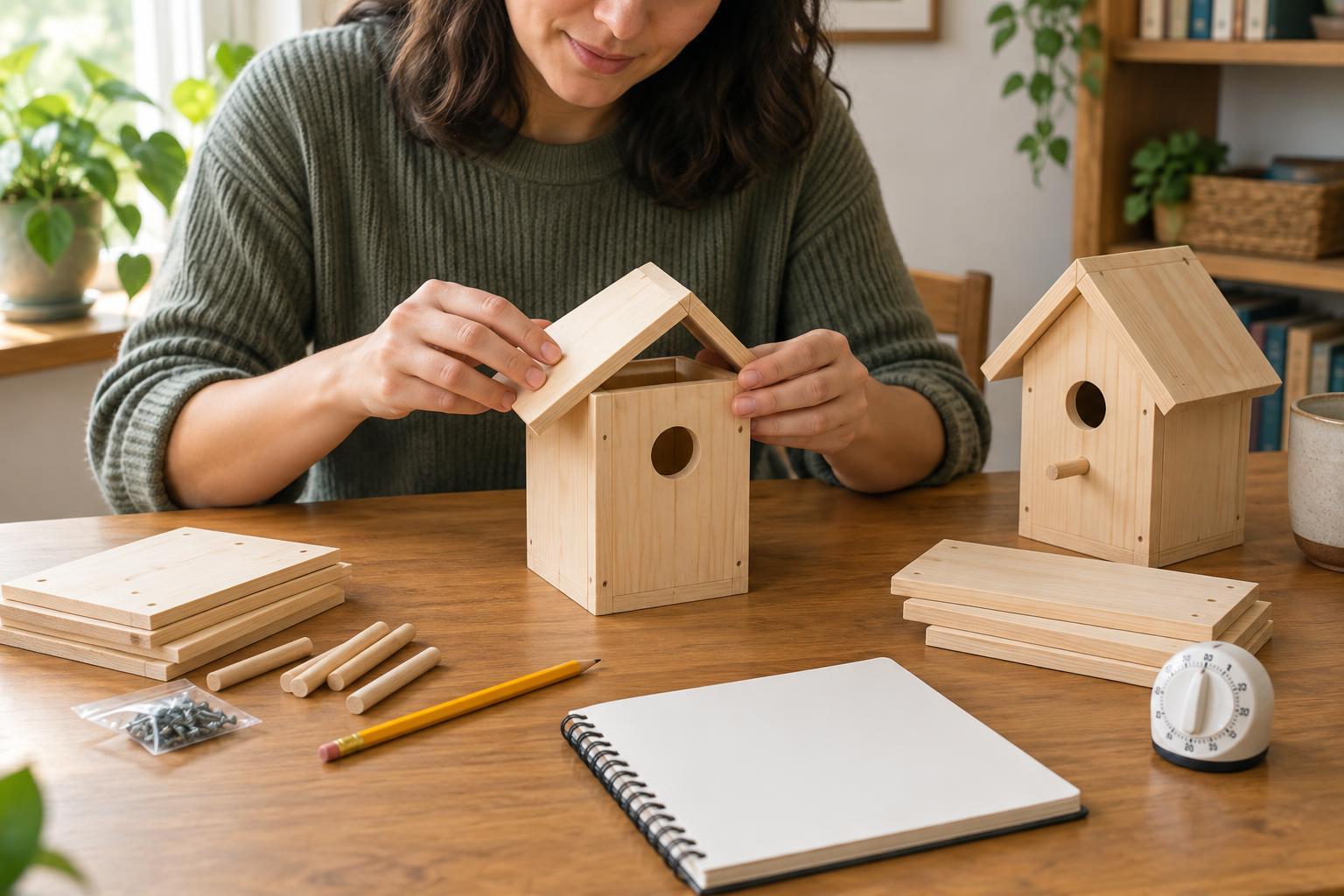
A finished work puts your learning to use in a complete artifact: a story, a small website, a repaired object, a presentation, or another result that can stand on its own. This option can be motivating because it gives you something to share or use. It also exposes gaps that practice exercises may not reveal. You may discover, for example, that you can sketch individual elements but need more practice arranging them into a coherent page.
The word “finished” should describe a clear stopping point, not perfection. Set a modest specification before you start: a story of a manageable length, a website with one working page, or a presentation that answers one question. Decide which features are essential and which can wait. A small complete work often tells you more about your progress than an ambitious work you cannot bring to a close.
Use a scope test, then leave room to reflect
If two formats appeal to you, compare them against three questions: Who is this for? What evidence of learning will it provide? Can I complete a useful version with the time and materials I have? You do not have to choose the most impressive-looking format. Choose the one that will make you practice the skill you came to learn. A project about clear writing, for example, does not need a video unless making that video serves your goal.
You can combine formats, but give one the lead. A finished work might include a brief note explaining your choices; a demonstration might end with a one-page checklist. Keep supporting pieces small so they do not become separate projects. When you finish, add a short reflection: what changed between your first attempt and the final version, what still feels difficult, and what you would try next. That note helps turn a deliverable into a starting point for further learning.