Start with what catches your attention
An idea notebook does not need to begin with clever ideas. It can begin with the details you notice while going about an ordinary day: a confusing sign, a helpful explanation, a question overheard in conversation, or an unexpectedly pleasant way someone has arranged a space. These details are useful because they give you something specific to think with later. You are collecting raw material, not judging whether it is original.
Choose a format you can reach easily, such as a small paper notebook or a notes app. Use one place consistently enough that you know where to look when an idea returns. For the first week, try recording one or two observations a day. A brief note is enough: “The library’s return slot is easy to find from one entrance but not the other.” You can explore what that detail might mean later.
Record the detail and your reaction
A note becomes more useful when it includes both what happened and why it caught your attention. After describing the observation, add a question or reaction. For example: “The recipe puts the most important warning at the end. Would I understand it better if the warning came before the steps?” This gives your future self a route back into the thought. Without that second line, you may remember the recipe but forget why you wrote about it.
If you have time, add a little context: where you were, what you were trying to do, or who might experience the situation differently. Keep descriptions fair and avoid recording private details about other people. You can also capture positive observations. A clear instruction, a satisfying sound, or a surprisingly easy process can prompt a useful question: What made this work well, and could that approach help somewhere else?
Use prompts when nothing seems noteworthy
Observation is easier when you give your attention a direction. On a familiar walk or during a routine task, choose one prompt: Where do I pause? What do I have to remember? Which choice feels easier than expected? What do people improvise a solution for? The aim is not to find fault with everything around you. It is to notice the small decisions and adjustments that usually pass without comment.
Try changing the scale of what you notice. Look closely at a single interaction, such as opening a package, then step back and consider the whole activity, such as preparing a meal. You might find that the package itself works well but its instructions interrupt your flow. Both observations belong in the notebook. If you draw, sketch the layout; if words are easier, describe it in a sentence. Choose the method that helps you recall the detail.
Revisit notes to find connections
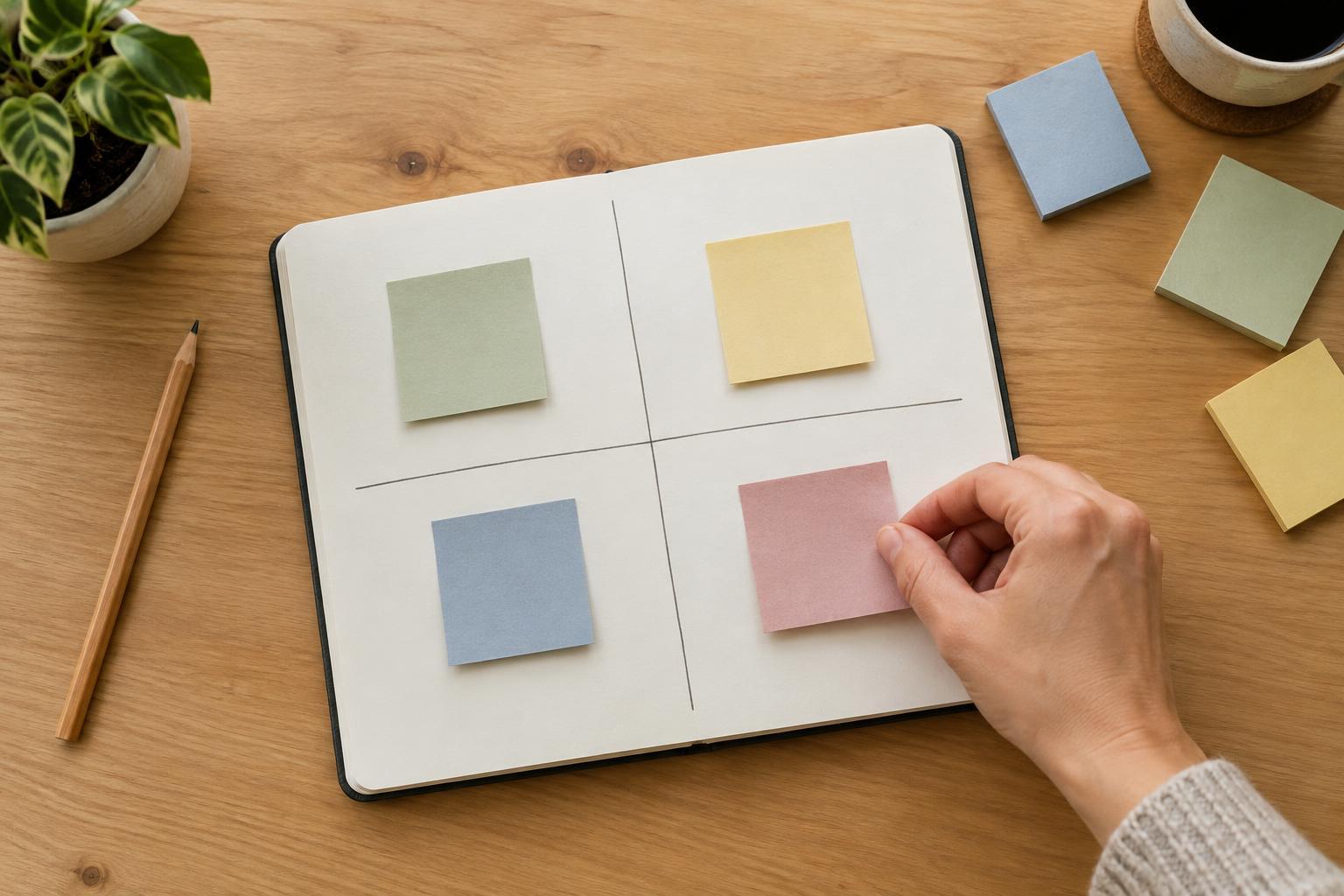
Collecting is only half the practice. Set aside a short, repeatable time to read back through your notes, perhaps at the end of a week. Mark entries that still raise a question, and look for repeated themes. You might notice several entries about unclear instructions, awkward transitions, or moments when someone found a simpler workaround. A pattern does not prove that you have discovered a broad problem; it gives you a promising direction to explore.
Next, connect two notes that seem unrelated. An entry about how a friend organizes cooking ingredients might sit beside one about difficulty starting a writing task. Could arranging materials before beginning make writing easier? The connection may lead nowhere, and that is fine. An idea notebook is a place to test possibilities, not a list of obligations. Write the connection as a question so it stays open to revision.
Turn one observation into a small experiment
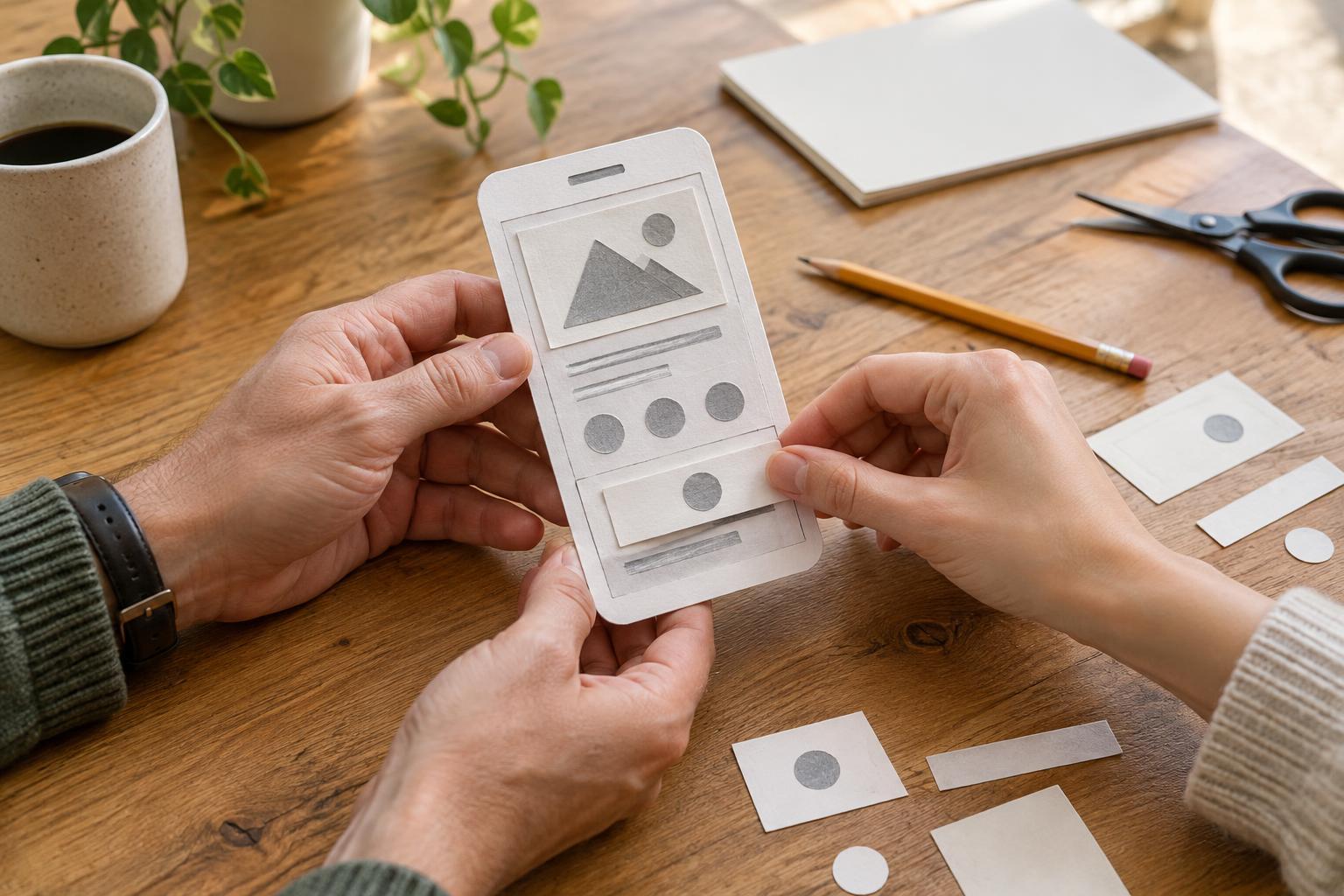
When a note keeps your interest, move from collecting to trying. State the idea in a form you can test without a large commitment: “If I put the key instruction first, will this checklist be easier for me to use?” Then make a rough version. Rearrange a personal checklist, rewrite an explanation for yourself, or sketch an alternative layout. Compare the result with the original experience and record what changed.
Not every experiment needs to produce a finished project. You may learn that your first interpretation was wrong or that a different question is more interesting. Add that result to the notebook rather than deleting the original note. Over time, the pages will show how your thinking developed from a noticed detail to a question, a connection, and perhaps a useful change. That is the notebook’s purpose: to make everyday curiosity easier to return to and act on.